


First Aid in Canada: Emergency Tips for Newcomers
New to Canada? Learn when to call 911, how to prepare for emergencies, what to keep in a first aid kit, and how first aid training can help.
Learn MoreExplore first aid safety tips that will help you recognize, treat, and prevent a variety of everyday emergencies—whether at home, work, or even when caring for your beloved pets!
New to Canada? Learn when to call 911, how to prepare for emergencies, what to keep in a first aid kit, and how first aid training can help.
Learn More
Get clear first aid facts for common emergencies. Learn what to do, what to avoid, and when to call 911 while understanding common first aid myths.
Learn More
Learn more about the emergencies you might face as a cat or dog sitter, and how certified training, like the Canadian Red Cross First Aid for Dogs & Cats course, helps you give better and safer care.
Learn More
As climate change intensifies, Canadians are facing more frequent and severe weather-related emergencies. From record-breaking heat waves to dangerous wildfire smoke, being prepared and knowing how to respond with first aid can make all the difference.
Learn More
Talking to kids about climate change and first aid can feel overwhelming. But helping them understand these topics is important—and empowering. This guide will help you start the conversation at home.
Learn More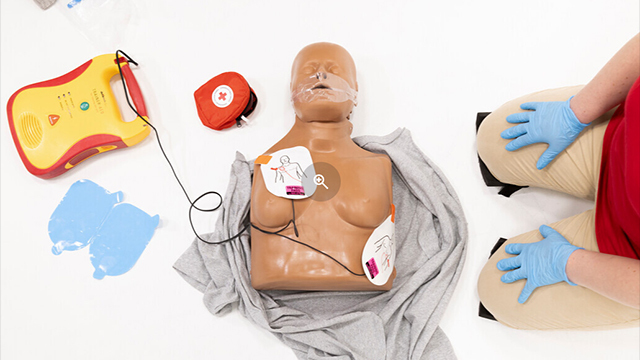
Imagine having the power to save lives right in your own neighbourhood. Establishing a Public Access to Defibrillation Program (PAD) can turn this vision into reality. But where to begin?
Start building your community’s PAD program today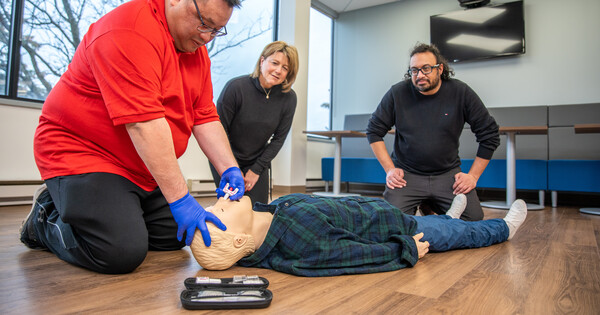
By learning how to recognize the signs and respond with naloxone, you could help save a life. Understand the opioid crisis in Canada, the signs of opioid poisoning and what to do in an opioid poisoning emergency.
Respond with Confidence. Save a Life.
Your pet’s health and safety are a priority, and knowing how to respond in an emergency can make all the difference.
Discover essential pet first aid tips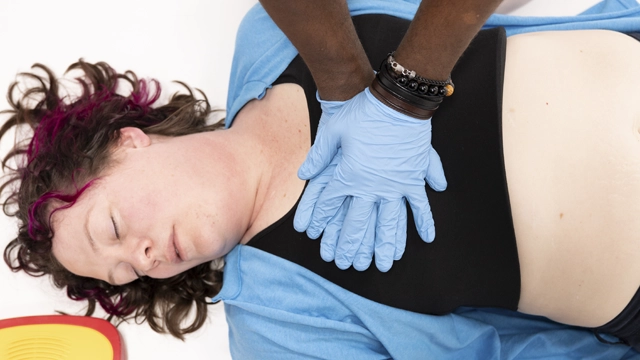
Watching dramatic CPR scenes on TV or in movies can be misleading, especially when it comes to understanding how CPR works in real life.
Get the facts about real-life CPR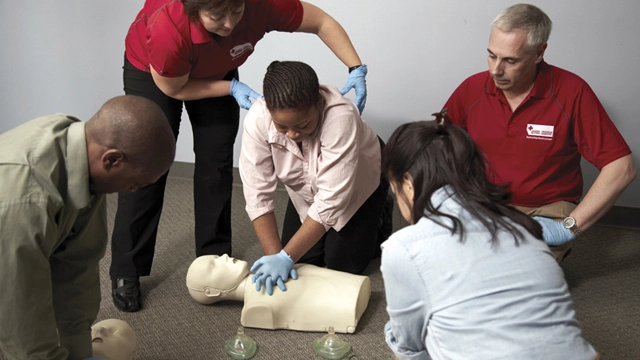
In some cases, compression-only CPR is the preferred method for members of the public who witness an adult suddenly collapse.
Learn when and how to use compression-only CPR
Working in remote or wilderness environments comes with unique challenges.
Find out why wilderness first aid training is essential for outdoor pros
Spotting a stroke quickly can make all the difference. Learn the FAST test and other critical warning signs so you know when to take action.
Know the signs