

How to Recognize and Respond to Opioid Poisoning
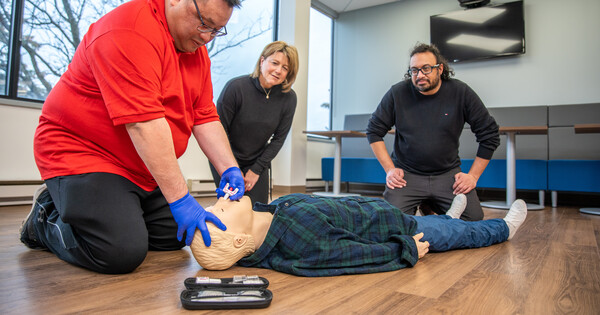 Photo: AV Unit / Canadian Red Cross
Opioid poisoning is a medical emergency — and every second counts. Tragically, thousands of Canadians lose their lives each year to opioid-related harm. By learning how to recognize the signs and respond with naloxone, you could help save a life.
Opioids are a class of drugs that slow down the central nervous system. They include prescription drugs like morphine, codeine, and oxycodone. They also include illegal drugs like heroin and fentanyl. While people often use them for pain management, misuse—or even a single accidental dose—can lead to fatal outcomes.
The Canadian Red Cross is committed to reducing opioid-related deaths by increasing access to first aid training and education on how to use naloxone, a medication that temporarily reverses the life-threatening effects of opioid poisoning.
The Canadian Red Cross First Aid for Opioid Poisoning online course teaches you how to recognize an opioid emergency, respond confidently, and administer naloxone. The self-paced course takes about an hour to complete and costs $30.
Understanding the Opioid Crisis in Canada
Canada is in the midst of a public health crisis. In 2024 alone, 7,146 people died due to opioid toxicity. Since 2016, over 52,544 Canadians have lost their lives, according to the Government of Canada. Many of those affected are first-time or occasional users. The crisis has impacted people from all backgrounds, communities, and jobs.Opioids are a class of drugs that slow down the central nervous system. They include prescription drugs like morphine, codeine, and oxycodone. They also include illegal drugs like heroin and fentanyl. While people often use them for pain management, misuse—or even a single accidental dose—can lead to fatal outcomes.
The Canadian Red Cross is committed to reducing opioid-related deaths by increasing access to first aid training and education on how to use naloxone, a medication that temporarily reverses the life-threatening effects of opioid poisoning.
Signs of Opioid Poisoning
Not all symptoms may appear, but watch for:- Slow, irregular, or absent breathing
- Pale, cold, or blue/grey skin or lips
- Extreme drowsiness or unconsciousness
- Tiny (pinpoint) pupils
- Seizures or unresponsiveness
What to Do in an Opioid Poisoning Emergency
1. Check the Person
- Tap and shout to check for responsiveness.
- Call 911 right away.
- Begin CPR if the person is not breathing.
2. How to give naloxone
- Use either nasal spray or intramuscular injection.
- Tilt the head back before administering nasal naloxone.
- Continue CPR if necessary.
3. Monitor and Repeat
- If there's no improvement after 2–5 minutes, give a second naloxone dose.
- Once breathing resumes, place the person in the recovery position.
How You Can Help the Opioid Crisis
The Canadian Red Cross First Aid for Opioid Poisoning online course teaches you how to recognize an opioid emergency, respond confidently, and administer naloxone. The self-paced course takes about an hour to complete and costs $30.
Register now and gain life-saving skills today
Tools to Support Your Learning
Downloadable Posters:
Respond with Confidence. Save a Life.