

How to Talk to Your Kids About Climate Change and First Aid
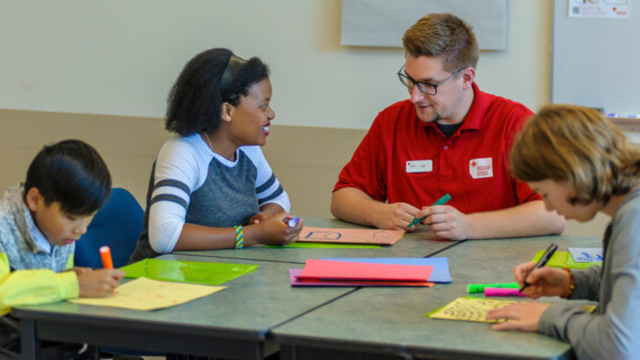 Photo: Canadian Red Cross
Talking to kids about climate change and first aid can feel overwhelming. But helping them understand these topics is important—and empowering. When children know what’s happening and how to respond in an emergency, they feel more confident and prepared.
Climate change is affecting us all
As wildfires, heatwaves, floods, and storms become more common, children are seeing these events on the news, online, and sometimes in their own communities. Many parents wonder how to talk about it without causing fear.
One of the best ways? Teach them how to stay safe.
First aid skills give kids confidence and a sense of control, helping them respond to emergencies calmly. This guide will help you start the conversation at home.
1. Explain Climate Change in Simple Terms
Kids don’t need all the science—start with basics:
- Climate change means the Earth is getting warmer because of human activities.
- This is causing more extreme weather, like wildfires, heatwaves, floods, and big storms.
- Even though these events can be scary, there are ways we can prepare and help.
Tip: Use books, videos, and stories about climate change to help explain it in a way kids can understand.
2. Focus on Safety, Not Fear
It’s natural for kids to feel worried. Help them focus on what they can do to stay safe instead:
- During heatwaves: Stay cool, drink lots of water, wear sunscreen and seek areas in your community that may be helping during a heat waves.
- During floods: Stay away from floodwaters, listen to adults, and move to higher ground if needed.
- During wildfires: Follow evacuation instructions, stay inside if advised, and wear a mask to avoid smoke inhalation.
- During storms: Stay away from windows, listen to weather alerts, and stay close to caregivers.
Tip: Practice these steps together so they feel prepared, not scared.
3. Teach Age-Appropriate First Aid Skills
Teaching basic first aid builds resilience. Here’s what kids can start learning:
- Young children (5-8 years old):
- How to call 911 and give basic information
- Stay calm and find an adult when someone is hurt
- First Aid Activity Sheets by IFRC – Ages 4-8 years (Answer Sheets)
- Older children (9-12 years old):
- How to treat minor cuts and scrapes
- Recognize signs of heatstroke, dehydration, and smoke inhalation
- Help build a family emergency kit
- First Aid Activity Sheets by IFRC – Ages 9-14 years (Answer Sheets)
- Teens:
- Learn CPR and first aid through the CPR Colouring Activity Sheets for Kids
- Take a leadership role in family emergency planning
Tip: Explore the Red Cross First Aid App for easy learning at home.
4. Make It Interactive
Kids learn best through activities. Try these:
- Practice emergency drills at home.
- Pack an emergency kit together and talk about each item.
- Role-play calling for help.
- Draw pictures of what to do in different emergencies. Discover the IFRC special set of 4 coloring pages, perfect for engaging children in conversations about safety, preparedness, and the importance of knowing what to do in an emergency—while having fun colouring!
- Read books or watch videos on first aid and climate safety.
- Have fun while learning with the IFRC First Aid Word Search game! This interactive activity is a great way to explore key first aid terms.
- Boost awareness with this IFRC Climate Emergency Match game inspired by the British Red Cross. Players match impactful IFRC photos of climate-related disasters with their correct descriptions.
Consider trying the interactive games from the IFRC Climate Centre’s library.
Tip: Turn learning into a fun, empowering family activity.
5. Keep the Conversation Going
Encourage questions and check in often. Climate change and safety are big topics—your child’s understanding will grow over time. Remind them that by learning first aid and emergency skills, they can help themselves and others.
Final Tip: Stay positive. Emphasize that many people, including your family and community, are working hard to keep everyone safe.
Teaching kids about climate change and first aid is one of the best ways to help them face today’s world with confidence. Start the conversation today.