

5 Climate Emergencies You Need to Be Ready For
 Photo: Canadian Red Cross
As climate change intensifies, Canadians are facing more frequent and severe weather-related emergencies. From record-breaking heat waves to dangerous wildfire smoke, being prepared and knowing how to respond with first aid can make all the difference.
Here are five climate-related health emergencies you should be ready for—and how you can help:
1. Heat Cramps
These are painful muscle spasms—usually in the legs or abdomen—caused by sweating and loss of fluids and electrolytes.
What to look for:- Muscle cramps or twitching
- Moist skin
- Normal or slightly elevated body temperature
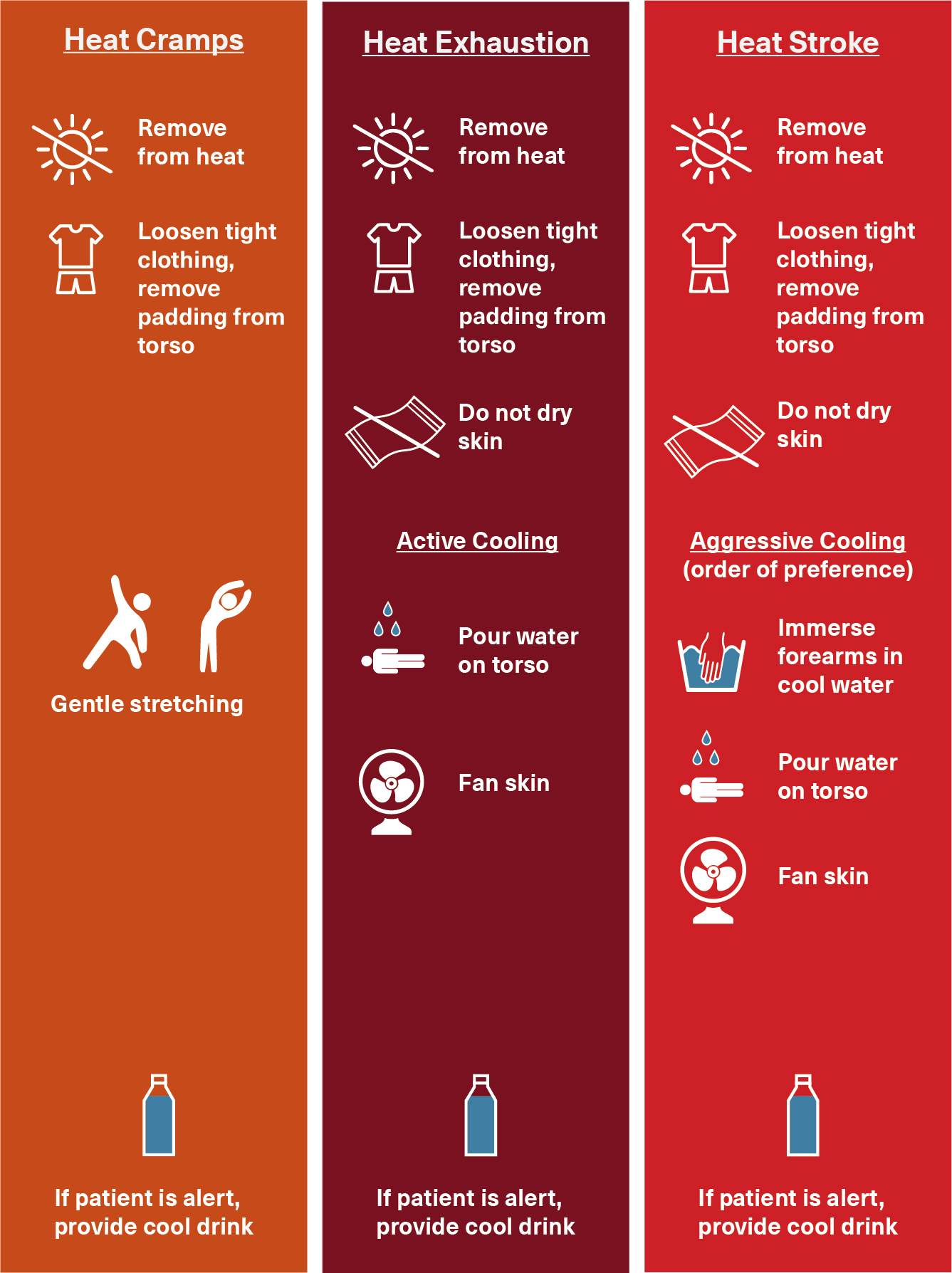
- Move to a cooler or shaded space.
- Sip a cool electrolyte drink (like a sports drink, juice, or milk).
- Stretch and gently massage cramped muscles.
Stay safe and keep cool this summer! Find out more tips on how to protect yourself during hot weather.
2. Heat Exhaustion
This happens when the body starts overheating but hasn’t yet reached a life threatening point. It’s often caused by physical activity in hot or humid conditions.
What to look for:- Flushed, moist skin
- Intense thirst or dehydration
- Nausea, dizziness, or fainting
- Weakness or fatigue
- Move to a cooler place and loosen clothing.
- Apply cool water or cold packs to the chest and armpits.
- Fan the person to speed up cooling.
- Offer cool fluids with electrolytes.
3. Heat Stroke
Extreme heat is becoming an increasingly serious concern across Canada. It occurs when the body can't cool itself properly, causing dangerously high temperatures. It requires immediate first aid and EMS support.
What to look for:
- High body temperature (over 40°C)
- Dry, hot, red or pale skin
- Confusion, irritability, or strange behavior
- Seizures or loss of responsiveness
- Call 9-1-1 and get an AED if available.
- Move the person to a cooler place.
- Loosen any tight clothing and remove padding from the torso.
- Avoid drying the skin.
- Start cooling the body quickly, preferable in the following order:
- Immerse their forearms in cool water.
- Pour water over the torso.
- Use a fan to help cool the skin.
- If the person is alert, offer a cool drink.
- Call 911 immediately—heatstroke is a serious medical emergency.
4. Hypothermia
Although winters seem to be getting milder, unexpected cold snaps and ice storms can still pose a risk of hypothermia, especially during power outages or extreme weather. Anyone exposed to cold temperatures for too long can develop hypothermia, which can be very serious.
There are three types of hypothermia.
What to look for:- Mild hypothermia: You might notice shivering, feeling cold, numbness in fingers and toes, with slightly lowered body temperature.
- Moderate hypothermia: Shivering, numb fingers and toes, trouble coordinating movements or speaking, confusion or unusual behaviors, and impaired judgment.
- Severe hypothermia: Shivering stops, cold complaints persist, coordination and speech are affected, confusion or strange actions may occur, judgment is impaired, the person may have a glassy stare, body temperature drops below 30°C, breathing slows or stops, and unconsciousness is possible.
Move the person indoors (if you can), remove wet clothing, wrap them in warm blankets, and seek medical help right away.
Learn how to help someone who appears to have severe hypothermia. Read more about how to stay safe and warm during winter.
5. Environmental emergencies
Environmental emergencies can cause slips and falls, that may lead to infections. They may also disrupt access to medical care or clean water.
Here's what you can do if you get cuts, scrapes, or wounds:
- First, if you can, wash your hands or use hand sanitizer, and if available, wear gloves for extra protection.
- Clean the wound gently with cool, clean water.
- If the wound is bleeding a lot, press down gently with a clean dressing like gauze, and hold it in place with a bandage until the bleeding slows or stops.
- Secure a sterile dressing over the wound with a bandage or tape and watch for signs of infection, such as redness or swelling.
Whenever possible, avoid walking through floodwaters and always follow your local emergency instructions. Learn more about common outdoor injuries and how to treat them.
Be Prepared, Stay Safe
Climate emergencies are here—and they’re affecting more people each year. Knowing first aid can help save lives and protect your loved ones.
- Download the Red Cross First Aid App
- Take a first aid course in your community
- Build an emergency kit with climate-specific supplies
- Take an online Psychological First Aid course.
Being ready isn't just about surviving—it's about helping others thrive in a changing world.