

2026 Manitoba Floods
Some communities in Manitoba have had to leave their homes due to encroaching flooding caused by heavy rainfall.
The Canadian Red Cross is working closely with Indigenous leadership and provincial and municipal governments to support individuals, families and communities impacted by flooding in Manitoba.
Find out more:
- Available recovery support
- How you can help support people impacted by the 2026 Manitoba Floods
- Helpful resources
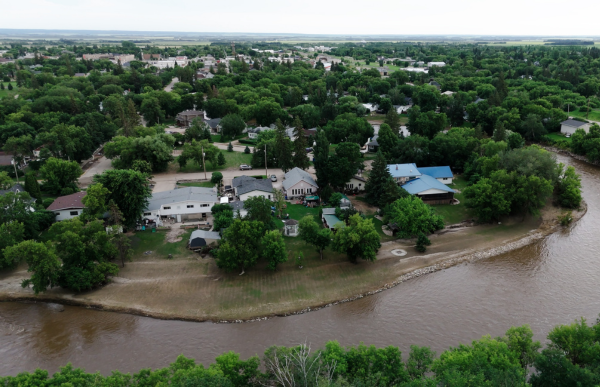
Photo: Adam Tadros / Canadian Red Cross
Available recovery support
We can support with:
- Understanding insurance
- Assistance with provincial Financial Assistance applications
- Providing information on provincial recovery programs and services, including eligibility requirements
- Navigating the available information to help people with planning their next steps in recovery.
To book a virtual appointment, please reach out to mb26recovery@redcross.ca or call 1-800-863-6582 and leave a message. We will get back to you within two business days.
Please check in with your town office for availability of clean-up kits.
How You Can Help Support People Impacted by the 2026 Manitoba Floods
Those wishing to help are encouraged to donate to the 2026 Manitoba Floods Appeal to help the people and communities affected by floods in the province.
Donations to the Canadian Red Cross will be used to provide assistance to those impacted by the flooding in Manitoba with immediate and ongoing relief, recovery, and resilience efforts in response to the floods, as well as community preparedness and risk reduction for future all-hazard disaster events within Manitoba. Funds will also be used to support mobilization of response and community partners.
The Government of Manitoba and the Government of Canada will be matching eligible donations. That means for every dollar donated, three dollars will go to support those impacted by the flooding.
People who would like to make a donation to the 2026 Manitoba Floods Appeal can do so online or by calling 1-800-418-1111.
Donate NowHelpful resources
Resources to support your recovery after flooding
- Review the step-by-step Canadian Red Cross Guide to Flood Recovery for information on what to do when you return home after flooding.
- Home Inventory Checklist: A list of your home inventory which is helpful both for insurance and other assistance programs. In the case of an insurance claim, an insurance provider would use a similar form to assess the cost to repair or replace lost or damaged items. These items are referred to as home contents.
- Understanding Renters Insurance: a factsheet for those who have renters' insurance or tenant insurance and details about what your policy may cover.
- Common Policy Concerns for Renters: a factsheet about common concerns for tenants who have opened an insurance claim.
- Understanding Homeowners Insurance: A factsheet for those who have homeowners insurance and details about what your policy may cover.
- Submitting an insurance claim as a homeowner: If you have been impacted by an event, and have insurance coverage, this fact sheet will provide you with some helpful tips on the insurance claims process.
- Common policy concerns for homeowners: A factsheet about common concerns for homeowners who have opened an insurance claim.
- Understanding Not-for-Profit Insurance: A fact sheet for those who have not-for-profit insurance and details about what your policy may cover.
- Understanding Small Business Insurance: A fact sheet for those who have not-for-profit insurance and details about what your policy may cover.
Top 10 Tips for Working with Contractors: Tips to help you ask the right questions and protect your interests while working with contractors.
Emergencies affect our wellbeing and mental health, disrupting our routines and access to social support. Individuals, families, and communities can be impacted with little warning and recovery can seem overwhelming. Review the guides below and reach out for help and support for yourself and your loved ones.
- Guide to Disaster Recovery, Caregivers and Parents: A guide with information on coping mechanisms and stress symptoms in children, with tips for caregivers and parents.
- Coping with Crisis: A guide on what to look for and expect during times of increased stress, and information on how to cope.
- Guidebook for Wellbeing in Recovery: A guide with information and practical tips and worksheets on how to support yourself and others following a disaster.
- Preparing for and Coping with the Effects of a Disaster or Emergency
During a crisis, you may feel overwhelmed or find it difficult to get through the day. Many people experience this. Help is available. If you are feeling overwhelmed, contact your local health facility or a local crisis support line.
For immediate assistance anywhere in Canada, call the Suicide Crisis Helpline at 9-8-8.
- Canadian Mental Health Association: For links to support and resources in your area.
- First Nations and Inuit Hope for Wellness Help Line: 1-855-242-3310
- Kids Help Phone - 24-hour bilingual and anonymous phone counselling, online counselling and referral service for children and youth.
- Bell Let's Talk - List of organizations with helpful resources.
FRAUD ALERT: Unfortunately, there are some people who may try to take advantage of those impacted by tragic events through fraudulent tactics. To protect yourself from fraud, it's important to understand the steps involved in receiving financial support from the Canadian Red Cross.
The Canadian Red Cross communicates only via email, phone, or in person and would never send a link through a text message for a person to click on to receive funds. We will never ask for your social insurance number, bank account information or credit card number during your registration or to receive assistance. The Canadian Red Cross encourages people to stay informed from credible sources, such as the Government of Canada’s website for fraud prevention tips. If you suspect you have been a victim of fraudulent activity, please contact your local police authority.