

 Photo: Stephanie Murphy / Canadian Red Cross
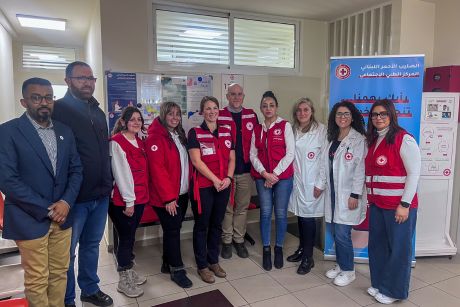
In the past year, I’ve been to the Middle East region three times. Twice to visit Israel and the occupied Palestinian territory and, most recently in January, to Jordan, Syria and Lebanon.
Photo: Stephanie Murphy / Canadian Red Cross
In the past year, I’ve been to the Middle East region three times. Twice to visit Israel and the occupied Palestinian territory and, most recently in January, to Jordan, Syria and Lebanon.
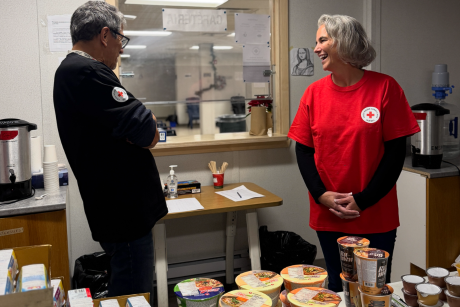 Photo: Shawn Riccio / Canadian Red Cross
As a cold wave descends on Montreal this weekend, the city is opening emergency shelter resources for people experiencing homelessness. The Red Cross was called upon to contribute — and answered the call.
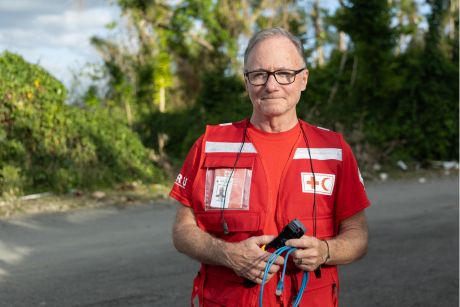 Photo: Alexis Aubin / Canadian Red Cross
James Spooner is a Canadian Red Cross Information Technology & Telecommunications (ITT) expert with more than 35 years of experience. He was most recently in Jamaica, supporting the Hurricane Melissa response.
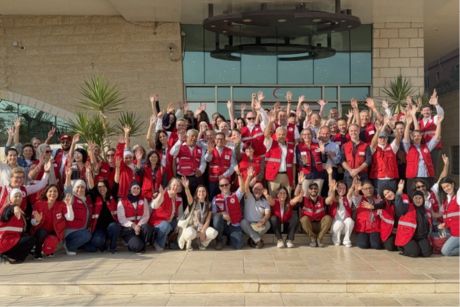 Photo: Palestine Red Crescent Society
There is something incredible about a group of humanitarians coming together for a common cause. Not only do we learn the needs and the work being done, but we see how to create greater impact as a humanitarian community, and show solidarity for staff and volunteers working tirelessly to reduce suffering.
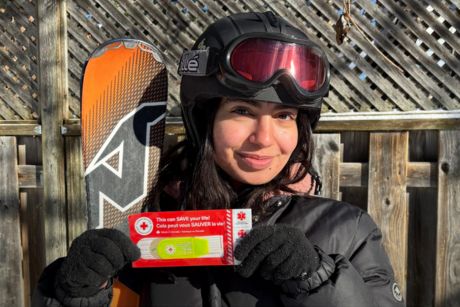 Photo: Canadian Red Cross
Staying prepared shouldn’t be complicated. A Medical Emergency Information (MEI) tag is a no-tech, no-fail tool that stores your critical health details and emergency contacts directly on your personal gear. It’s designed to help first responders and loved ones act quickly—even when you can’t speak for yourself.
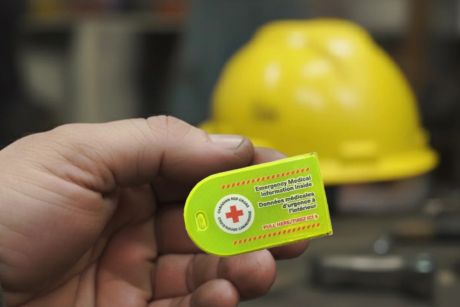 Photo: Canadian Red Cross
Being prepared can make a tremendous difference in an emergency. A Medical Emergency Information tag is a simple yet effective tool. It enables emergency professionals to make quick, informed decisions—which can help save lives.
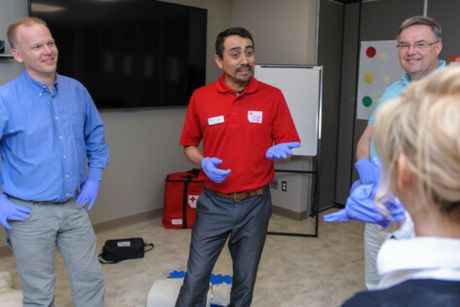 Photo: Canadian Red Cross
As extreme weather events become more frequent in Canada, knowing how to respond in an emergency is more important than ever. From scorching heat waves to dangerous cold snaps, wildfires, and severe storms, climate change is increasing the risk of injuries and health complications.
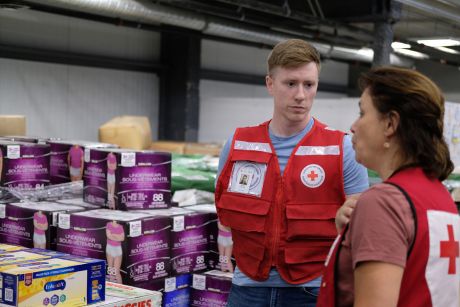 Photo: Angela Hill / Canadian Red Cross
From coordinating supplies, the vehicle fleet and laundry runs, to solving unexpected challenges daily, the Logistics Field Operations Team (FOT) makes sure everyone gets what they need during the 2025 Manitoba Wildfires response. Their work may be behind the scenes, but it is a cornerstone of every successful operation with the Canadian Red Cross.
The purpose of this blog, quite simply, is to talk. This blog is an opportunity for Red Cross staff, volunteers, supporters and friends to share stories about what is happening in your community and the important work you are doing. It is a tool that will help keep all of us connected.
Looking for something specific? Try filtering posts by selecting a topic from the list below: