


Photo: AV Unit / Canadian Red Cross
Self-care isn’t just about taking bubble baths or unplugging once in a while—it’s about building long-term habits that protect your mental and emotional well-being. One of the most effective tools for this is Psychological First Aid (PFA). It helps you understand stress, build resilience, and take control of your well-being every day.
Here’s how the Psychological First Aid lasting self-care through simple, practical strategies anyone can use.
1. It Helps You Understand Stress
We all experience stress—but not everyone knows how to recognize it or what to do about it. Psychological First Aid teach us that there are different types of stress (physical, emotional, mental, spiritual) and that they show up in different ways in life. It also helps us find the early warning signs of stress like fatigue, trouble focusing, feeling anxious, or getting irritated more easily.
When you understand how stress affects your body and mind, you can catch it earlier and respond with care instead of letting it build up. This kind of awareness helps you take control before stress turns into burnout or affects your relationships, sleep, or work.
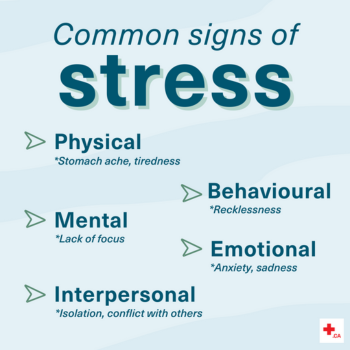
Photo: Andréa Parent / Canadian Red Cross
2. You Learn Practical Self-Care Tools That Actually Work
One of the best parts of Psychological First Aid is how practical it is. Psychological First Aid is not just about what is stress in theory—it gives you real tools you can start using right away. With the Psychological First Aid course, you will learn calming techniques like breathing exercises, how to create healthier routines, and how to deal with tough feelings as they come.
These strategies are designed to fit into your everyday life. Whether you’re at home, at work, or dealing with a difficult situation, you’ll have easy, go-to steps that can help you feel more balanced, more in control, and less overwhelmed.
3. You Build Your Own Self-Care Plan
Self-care isn’t one-size-fits-all. What works for someone else might not work for you—and that’s okay. In the Red Cross PFA course, you’ll build a personalized self-care plan that matches your lifestyle, needs, and strengths. You’ll think about what relaxes you, who supports you, and what routines help you stay grounded.
Your plan will also include ways to check in with yourself and adjust when things change. Whether it’s a stressful week at work or a personal challenge, your self-care plan will help you stay steady and keep moving forward. Having a plan gives you confidence—and peace of mind.
4. You Become More Resilient
Life is full of ups and downs, and resilience is what helps you bounce back when things go wrong. Psychological First Aid helps you build resilience by showing you how to respond to stress with healthy choices instead of panic, avoidance, or burnout.
Over time, these small changes become habits. You start to notice your reactions, shift your thinking, and manage challenges without feeling so overwhelmed. Being resilient doesn’t mean being perfect—it means learning how to take care of yourself through tough times and come out stronger on the other side.
5. PFA Gives You Confidence to Support Yourself
When you learn to care for yourself, you naturally become more confident in helping others. That’s the power of Psychological First Aid—it starts with you, but it doesn’t end there. By understanding how to manage your emotions and stress, you’re better equipped to recognize when others are struggling and offer kind, calm support.
This is especially helpful in families, workplaces, and volunteer roles. Whether you're a caregiver, a team leader, or a friend, the tools you gain through PFA can make you a more thoughtful and effective support person. But it all starts with taking care of yourself first.
6. It Supports Your Mental Health Every Day—Not Just in Crisis
Many people only think about mental health when something goes wrong. But lasting self-care means building habits that support your mental health every day—not just during a crisis. Psychological First Aid teaches you to check in with yourself regularly, notice small changes in how you’re feeling, and adjust as needed.
When you do this consistently, it becomes part of your lifestyle. Over time, it gets easier to manage stress, prevent burnout, and feel more in control of your emotional well-being. Instead of reacting to problems, you’re proactively protecting your mental health.
7. Psychological First Aid Empowers You to Act
One of the most powerful things about PFA is that it encourages action. You don’t have to wait for a breakdown or a big issue to start taking care of yourself. The course helps you find what you can do—right now—to improve how you feel and respond to stress.
Whether that means reaching out to a friend, setting boundaries, or simply taking a deep breath, Psychological First Aid gives you permission to pause, reflect, and take steps that matter. You walk away feeling not just informed but empowered to make positive changes.
8. It Starts Your Journey to a Stronger You
The truth is that self-care is a lifelong journey—and Psychological First Aid is the perfect place to start. With the right tools and a personalized plan, you can feel stronger, calmer, and more confident in how you handle stress and take care of yourself.
And the best part? You don’t have to do it alone. The Canadian Red Cross Psychological First Aid – Self-Care course is here to guide you every step of the way. You can take it online, at your own pace, and start building the skills you need to thrive—not just survive.
Ready to begin?
The Psychological First Aid – Self-Care course takes just 90 minutes and is open to anyone 16 years or older. Whether for yourself, your team, or your family, it’s a meaningful investment in long-term well-being.
👉 Start the course today at redcross.ca/PFA