

The blizzard has finally passed. The ice storm has stopped raging. Your home is snowed in and the power is out, though thankfully your household members are safely inside. For many newcomers, the aftermath of a winter emergency requires a safe and strategic approach, including advanced planning.
Latest Posts
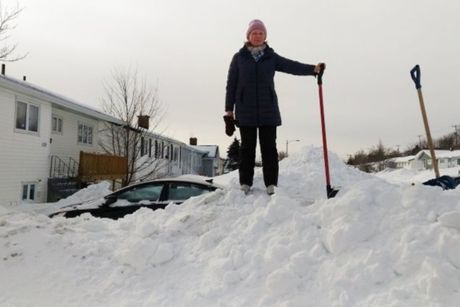
Across Canada, winter can take many forms, ranging from wild storms to bone-chilling power outages. While many Canadians are familiar with how to prepare for winter emergencies, newcomers to our country may not be.
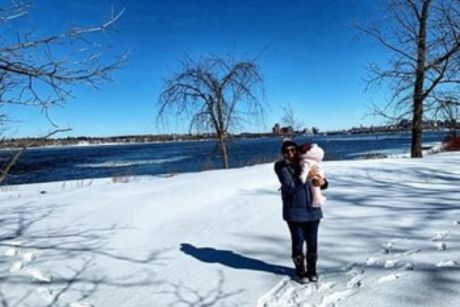
Getting out and about during winter is something that newcomers need to prepare for in advance. Breathtaking, frozen Canadian landscapes require special knowledge, skills and planning to navigate safely. Many classic wintertime activities involve being well prepared before getting started.
Brian Boyes is in Kamloops, British Columbia with the Canadian Red Cross as part of the logistics team at the Reception Centre for people evacuated from their homes. He knows what they are going through because he and his wife Angela were two of some 80,000 people who had to flee the wildfire that descended on Fort McMurray in 2016.
Canada’s famously cold temperatures can easily catch people by surprise. As newcomers learn about their new country, winter weather will be a big part of this introduction – so the Canadian Red Cross and Immigration Services Association of Nova Scotia (ISANS) have teamed up to provide helpful advice to help them dress for winter success!
It’s been called the “shadow pandemic.” As millions of people around the world continue to deal with the impacts of the COVID-19 pandemic, including lockdowns and changes to regular services, incidents of sexual- and gender-based violence (SGBV) have increased worldwide.
For all of its beauty, Canada’s winters can be harsh, long, and full of unexpected or hidden dangers. Luckily, with some practical cold climate planning and winter safety knowledge, new Canadians can arrive ready for real life winter situations.
Whether you are experiencing this week’s flooding, landslides and extreme weather in British Columbia first-hand or are watching it unfold through social media and television screens, there’s no denying the sheer devastation it has caused.