
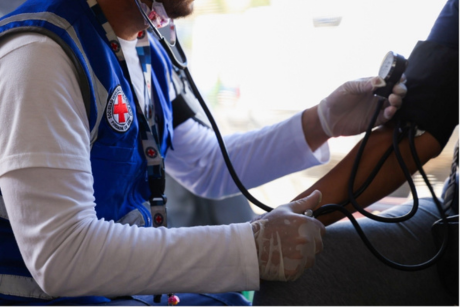
On June 24, 2026, two of the strongest earthquakes this century struck Venezuela. Three months later, daily life remains unsettled for many families. More than nine million people were affected, thousands of people are still displaced, and damaged homes, hospitals, roads and water systems continue to affect how people access essential services.
Latest Posts
Since July 22, 2024, the Canadian Red Cross has provided and continues to provide critical services and support to those impacted by the 2024 Alberta wildfires.
In October 2023, the Canadian Red Cross announced a multiyear agreement in collaboration with the Government of Yukon to strengthen emergency preparedness and disaster response in the territory.
For more than 20 hours, people fleeing wildfire in Northwest Territories drove south to get to safety and plan their next steps. Michele Michetti, 29, remembers seeing flames, but it’s the people that stick out the most in her memories on the drive from Yellowknife.
Wildfires are burning in Halifax region and Shelburne County Nova Scotia, forcing people to evacuate from their homes. The Canadian Red Cross is on the ground in support of the provincial and municipal governments. We’re working together with community organizations to provide help to those who have been impacted.
France Hurtubise, a retired Communications delegate living in Montréal, looks back on her experience in the humanitarian sector and shares her story with us. Over the course of 25 years working abroad, France traveled to four continents and worked in countries heavily impacted by conflicts and disasters. In May 2022, she published “Grandeur et dénuement”, an account of her years with the Red Cross (ICRC, IFRC and CRC) and the UN.
Joe Michielsen is entering his third decade as a volunteer with the Canadian Red Cross in southern Alberta. Discover why he thinks “volunteering is the best job”.
What does it mean to live through a year of armed conflict? For some, it means having to leave behind everything they know for somewhere safer. For others, it means spending hours in bomb shelters, or hours without electricity. For too many it means being separated from family, struggling to access basic medical care and not knowing what will happen next.