
We had returned to our home in Gaza City by what felt like a miracle. We tried to rebuild; not stability, because conflict doesn’t allow for that, but maybe rhythm, maybe something close to breathing without fear. Then came the sirens. Then the decision. Then we prepared our bags. Again.
Latest Posts
I will always remember the person who welcomed me on my first day at the Red Cross. Newly arrived in Canada (I had only been here for four months), I was invited to work during the 2017 floods response in Quebec. I didn’t even have a driver’s licence and was worried that they would ask me to go to regional offices.
As a young child, I vividly remember driving from our home in Sudbury to Toronto, Ontario the morning after Hurricane Hazel hit. As we passed through this devastated area, I saw the Red Cross helping people, and in this moment, I witnessed the power of compassion in action.
Climate change is no longer a distant concern—it’s already hitting certain regions hard, permanently altering the living conditions of their residents. This is especially true in the Magdalen Islands, where environmental upheaval is being felt with growing intensity.
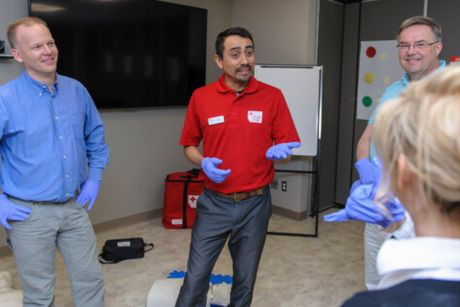
As extreme weather events become more frequent in Canada, knowing how to respond in an emergency is more important than ever. From scorching heat waves to dangerous cold snaps, wildfires, and severe storms, climate change is increasing the risk of injuries and health complications.
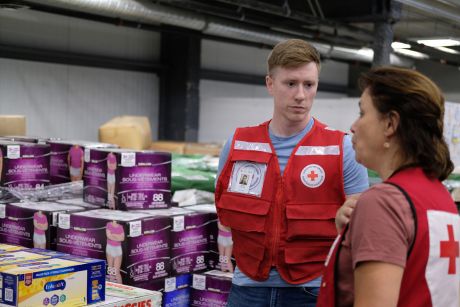
From coordinating supplies, the vehicle fleet and laundry runs, to solving unexpected challenges daily, the Logistics Field Operations Team (FOT) makes sure everyone gets what they need during the 2025 Manitoba Wildfires response. Their work may be behind the scenes, but it is a cornerstone of every successful operation with the Canadian Red Cross.
Photo: AV Unit / Canadian Red Cross
Self-care isn’t just about taking bubble baths or unplugging once in a while—it’s about building long-term habits that protect your mental and emotional well-being. One of the most effective tools for this is Psychological First Aid (PFA). It helps you understand stress, build resilience, and take control of your well-being every day.
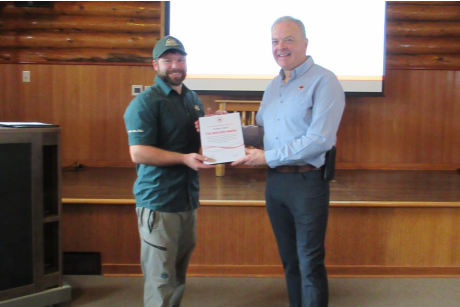
In Riding Mountain National Park, where peace can meet sudden emergencies, Duty Officers — Reid Ahntholz and Bradley Bator — became real-life heroes. During a busy July weekend, they responded fast to a visitor’s cardiac arrest on Lakeshore Trail. Using CPR, an AED, and their skills, they saved a life. Their actions turned a tragedy into hope — a true testament to First Aid training.