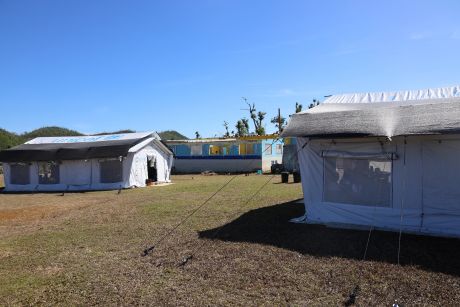


It has been a long, dark, cold winter for people still living in Ukraine. In some of the coldest parts of January ongoing attacks to infrastructure left hundreds of thousands of people across Kyiv and throughout the country without electricity or heat, or sometimes without both.
Latest Posts
In the past year, I’ve been to the Middle East region three times. Twice to visit Israel and the occupied Palestinian territory and, most recently in January, to Jordan, Syria and Lebanon.
I’ve had a good life, and a great career. I’ve always believed in giving back to society. That’s why I’ve included a gift in my Will to the Canadian Red Cross. Because I want my legacy to bring good and comfort to those in need.
As I write this on a frigid winter’s day in Ottawa, it’s easy as a Canadian to relate to the cold in Ukraine, where winter conditions are made far more dangerous by years of conflict.
Photo: Shawn Riccio / Canadian Red Cross
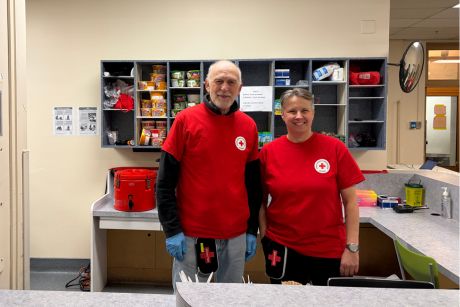
As a cold wave descends on Montreal this weekend, the city is opening emergency shelter resources for people experiencing homelessness. The Red Cross was called upon to contribute — and answered the call.
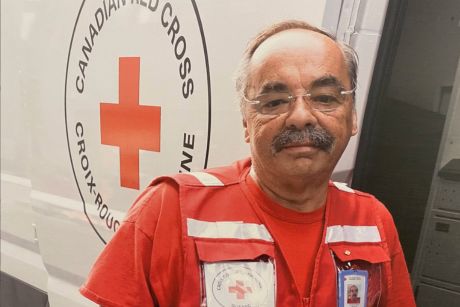
James Spooner is a Canadian Red Cross Information Technology & Telecommunications (ITT) expert with more than 35 years of experience. He was most recently in Jamaica, supporting the Hurricane Melissa response.
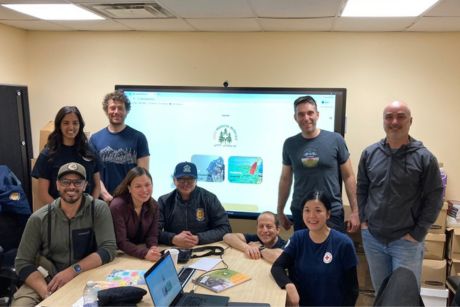
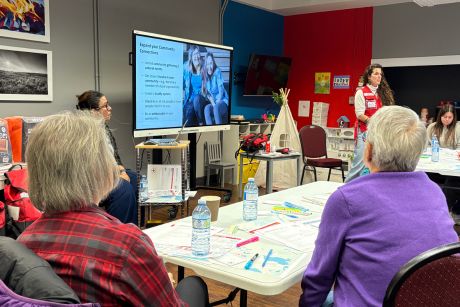
There is something incredible about a group of humanitarians coming together for a common cause. Not only do we learn the needs and the work being done, but we see how to create greater impact as a humanitarian community, and show solidarity for staff and volunteers working tirelessly to reduce suffering.
Staying prepared shouldn’t be complicated. A Medical Emergency Information (MEI) tag is a no-tech, no-fail tool that stores your critical health details and emergency contacts directly on your personal gear. It’s designed to help first responders and loved ones act quickly—even when you can’t speak for yourself.