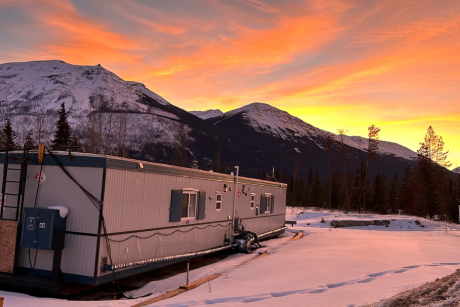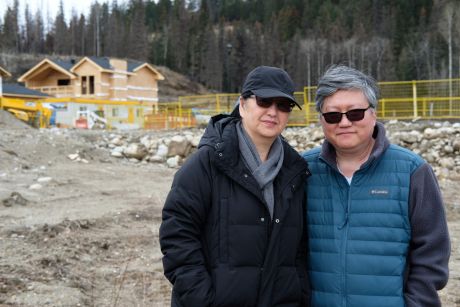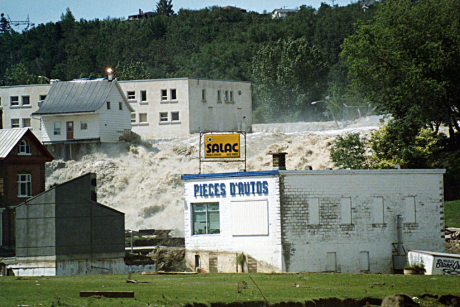


In March, I spent a week in Chisasibi, a Cree community in northern Quebec, supporting an unconventional alliance that is rethinking how we respond to health emergencies in remote and austere environments.
Latest Posts
As a mother of three school-age children, I am used to the reassuring routine of school life – packing lunches, checking homework, listening to playground stories. It’s a rhythm that feels stable, almost guaranteed.
While spring is settling in and temperatures are becoming milder, people experiencing homelessness had to endure extreme cold throughout the winter. When faced with the looming humanitarian emergency in Montreal, the city called on the Canadian Red Cross to operate two night-time warming centres in the boroughs of Ville Saint‑Laurent and Plateau-Mont‑Royal.
In Newfoundland and Labrador, there’s a saying that you can experience all four seasons in the run of a day. One moment, the ocean is calm. The next, winds rise, waves crash, and communities prepare for whatever might be on the way.
Each year, emergencies and disasters impact communities across Canada. As disruptive events such as wildfires, floods, and severe storms become more frequent, being prepared has never been more important.
When Hurricane Melissa approached the Caribbean in October 2025, communities in Jamaica prepared themselves for what could become a catastrophic storm.
Terry Wilson is a physiotherapist delegate with the Canadian Red Cross. With years of experience in pediatric rehabilitation, she has worked in various parts of the world, providing rehabilitation support to communities impacted by emergencies, disasters, and conflict.
Every year, National Volunteer Week is a time to recognize and celebrate the contributions of volunteers who dedicate their time, energy, and compassion in support of their communities.