

Naloxone 101: what it is and how it works
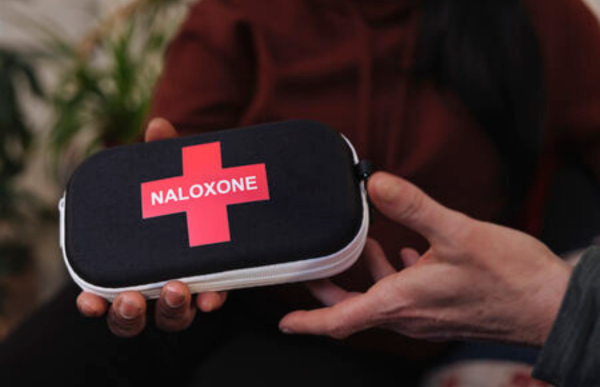
Photo: John Falcon / Canadian Red Cross
Naloxone can help save a life during opioid poisoning. It works fast. It can temporarily reverse the effects of opioids. But it is not a replacement for emergency medical care.
If you think someone is experiencing opioid poisoning, call 911 right away. Then give naloxone if it is available.
Naloxone is a quick-acting medicine that can temporarily reverse the effects of opioid poisoning. When someone is experiencing an opioid poisoning, their breathing can become slow or even stop completely. This can become life-threatening quickly.
Naloxone works by temporarily reversing these effects, helping their breathing return to normal for a short time. This gives the person a better chance while emergency help is on the way.
Opioids affect parts of the brain that control breathing. During opioid poisoning, a person may breathe slowly, stop breathing, or become unresponsive. Naloxone works by temporarily blocking the effects of opioids in the body, helping the person breathe again.
Naloxone can begin to work within about two minutes. If the person shows no response after two to three minutes, you can safely give another dose.
A person may be experiencing opioid poisoning if they:
- Are unresponsive or hard to wake
- Are breathing slowly, irregularly, or not at all
- Have blue, grey, or pale lips or nails
- Are making choking, gurgling, or snoring sounds
- Have tiny (pinpoint) pupils
- Are extremely drowsy or unconscious
- Have cold or clammy skin
If you think someone may be experiencing opioid poisoning:
- Check the person
- Tap and shout to check for responsiveness.
- Call 911 right away.
- Begin CPR if the person is not breathing.
- Give naloxone
- Use either a naloxone nasal spray or an intramuscular naloxone injection.
- Tilt the head back before administering nasal naloxone.
- Continue CPR if necessary.
- Monitor and repeat
- If there's no improvement after 2–5 minutes, give a second naloxone dose.
- Once breathing resumes, place the person in the recovery position.
The Canadian Red Cross teaches people how to recognize and respond to opioid poisoning, including how to use naloxone. Some provinces and territories offer free naloxone kits for you to take home. Check with your province or territory for availability.
Naloxone does not remove opioids from the body. It only blocks their effects for a short time.
Naloxone is active in the body for about 30 to 120 minutes. Many opioids can last longer than that; this means opioid poisoning symptoms can return after naloxone wears off. That is why the person still needs emergency medical care.
You should call 911 right away if you suspect opioid poisoning. Naloxone can help, but the person may still be at risk.
Their breathing may slow again. They may need more naloxone. They may also need oxygen, CPR, or other medical care.
Call 911 or your local emergency number right away if you suspect opioid poisoning. You can give naloxone while you wait for help to arrive. After giving naloxone, monitor the person closely. If the effects wear off, give more naloxone until emergency services arrive. Get step-by-step guidance for responding to suspected opioid poisoning emergencies.
Naloxone works only if opioids are in the person's body. It will not reverse poisoning from other drugs or health conditions.
If you are unsure what caused the emergency, call 911. Emergency responders can assess the person and provide the right care.
Naloxone is simple to use, but an emergency can feel stressful. Training helps people understand what to do before an emergency happens.
It can help you learn:
- How opioids affect the body
- How naloxone works
- When to call 911
- How to give naloxone
- How to respond with confidence
- How to reduce stigma
- How to care for yourself after helping
The Canadian Red Cross First Aid for Opioid Poisoning online course teaches people how to respond to an opioid poisoning emergency and administer intranasal and intramuscular naloxone. The course is online, takes about one hour, and is for anyone 16 years of age and older.
Naloxone helps. Emergency care is still needed.
Naloxone can help save a life. But it works for a limited time. Opioid poisoning symptoms can return. The person may also need more care than naloxone can provide.
That is why the key steps are simple: Call 911. Give naloxone. Start CPR if needed. Stay with the person.
The Canadian Red Cross First Aid for Opioid Poisoning online course can help you learn what to do. You will learn how to recognize opioid poisoning, give naloxone, reduce stigma, and respond safely.