

Self-Care with the Look, Listen, Link, Live Model
Burnout, fatigue, anxiety—these are more than just buzzwords. They’re signals from your body and mind that you may be approaching or already experiencing the effects of stress. Whether you’re supporting others or navigating daily life challenges, taking care of yourself before, during, and after stressful events is essential.
To help you stay strong and resilient, the Canadian Red Cross offers a simple framework: Look, Listen, Link, Live. This four-part cycle helps you recognize signs of stress, understand your emotional needs, and protect your well-being.
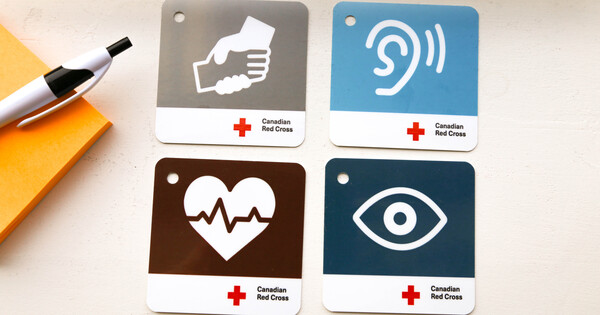
Photo: Melinna Mills / Canadian Red Cross

Look for common signs of stress
Start by seeing how stress arrive in your life. Common signs include:
- Physical: Headaches, tiredness, fatigue, stomach aches
- Mental: Difficulty concentrating, remembering o lack of focus
- Emotional: Anxiety, irritability, sadness
- Spiritual: Loss of meaning or faith
- Behavioural: Risk-taking, substance use, recklessness
- Interpersonal: Withdrawing from others, conflict with others, isolation

Listen to how you are feeling
Pay attention to your feelings. Acknowledge feelings and make no assumptions. Ask yourself:
- Am I tired even though I’ve had enough sleep?
- Am I easily irritated by other people?
- Do I feel increasingly critical, cynical or disengaged?
Acknowledge your emotions without judgment. Listening to yourself is the first step toward self-compassion.
Link to the support systems in place to help cope with stress
Stress management isn’t a solo journey. Connect to supports across four levels:
- Self: Actions you do individually to cope with stress (go for a walk, practice mindfulness, or rest).
- Relationships: Talk with people you have a healthy relationship, for example a friend, family, mentor, colleagues and/or Elders.
- Community: Engage with your workplace, volunteer groups, neighbourhood, or local clubs
- Culture & Society: Draw strength from traditions, faith, or social services.
Live with coping strategies in place so you can continue living!
Use healthy habits to sustain your well-being long-term. Below are some steps you can take to practice self-care. An important part of self-care is keeping healthy relationships with the people around you.
Self-care strategies include:
- Taking breaks and setting boundaries
- Asking for help when needed
- Nurturing positive relationships
- Developing realistic work expectations
- Listening to and supporting your team
- Practicing stress management techniques (breathing or mindfulness)
Self-care is not a one-time act—it’s an ongoing cycle. By using the Red Cross Look, Listen, Link, Live model every day, you can take care of yourself better.
Psychological First Aid (PFA) provides emotional and practical support to people, families, and communities who are having difficulty coping. Establish a connection with people in a compassionate non-judgmental manner to bring calm and comfort. Reduce stigma associated with mental health crises and can reduce negative health outcomes. Also, provides tools to build your own self-care plan and promoting conversations about wellness.
Explore the Canadian Red Cross Psychological First Aid – Self-Care course. To find a course, visit redcross.ca/PFA.