

First Aid Kit Contents: What to Include for Home, Car & Outdoors
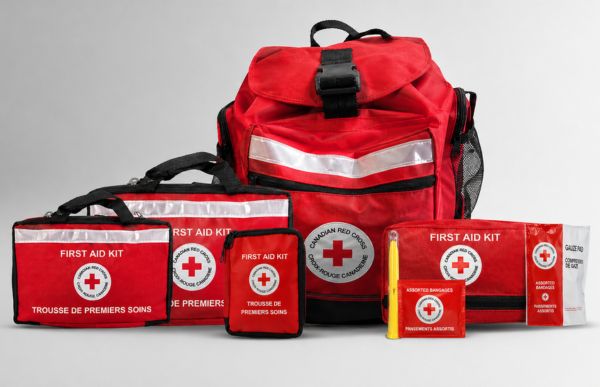
A well-stocked first aid kit is essential for responding to injuries and emergencies at home, at work, or outdoors. Knowing what should be in a first aid kit is crucial for being prepared to manage common injuries and stabilize more serious conditions until help arrives.
What is in a first aid kit?
A first aid kit should include essential supplies such as bandages, antiseptics, gloves, and emergency tools to treat injuries, prevent infection, and support life-saving care until professional help is available.
Basic First Aid Kit Contents (Home, Workplace & Travel)
A basic first aid kit could be a home first aid kit, a first aid travel kit, or a first aid kit for work. A well-prepared first aid kit should include the following first aid supplies:
- Your local Emergency Medical Services (EMS) number or 911
- Your local poison control centre phone numbers and the national poison number (1-844-POISON-X)
- Your personal doctor’s phone numbers
- Home and office phone numbers for family members, friends, or neighbours who can help in an emergency
- Sterile gauze pads (dressings) in small and large squares to place over wounds
- Adhesive tape
- Roller and triangular bandages to hold dressings in place or to make an arm sling
- Adhesive bandages in assorted sizes
- Scissors
- Tweezers
- Safety pins
- Cold packs or instant ice packs
- Disposable non-latex gloves, such as surgical or examination gloves
- Flashlight, with extra batteries in a separate bag
- Antiseptic wipes or soap
- Pencil and pad
- Emergency blanket
- Eye patches
- Thermometer
- Barrier devices, such as a pocket mask or face shield
- Canadian Red Cross first aid manual
How to Maintain Your First Aid Kit (Best Practices)
Keep your first aid kit readily available in your home, cottage, car, boat, workplace, and recreation area. Regular maintenance keeps your supplies secure and prepared for use whenever you need them.
Best practices:
- Store your kit in a dry, easy-to-access location
- Ensure everyone knows where it is located
- Check first aid kit items every 6 months
- Replace expired, damaged, or contaminated items
- Restock immediately after use
- Decontaminate reusable equipment after each use
Download the Canadian Red Cross First Aid App to access first aid guidance anytime.
Emergency Supplies Kit (Preparedness Kit)
What is an emergency first aid kit?
An emergency kit is a collection of essential supplies—such as water, food, and medical items—designed to support you and your family during emergencies or evacuations.
Have supplies ready for an emergency. Store them in a backpack or a duffle bag so you can take them with you if you have to evacuate the area.
Emergency kit essentials:
- 4 L (1 gal.) of water per person per day (use sealed, unbreakable containers and replace the supply every 6 months). Have enough for at least 3 days.
- Non-perishable packaged or canned food and a can opener. Replace the food once a year.
- Walking shoes, rain gear, and a change of clothing.
- Blankets or sleeping bags.
- A first aid kit and prescription medications.
- Check the medications every 6 months to make sure they haven’t expired.
- Toilet paper and other personal supplies.
- An extra pair of glasses.
- A battery-powered radio and flashlight, along with extra batteries.
- Spare cash.
- An extra set of car keys.
- A list of your family doctors.
- Important family information such as a list of any medical conditions or medical devices, such as pacemakers.
- Photocopies of all important identification for you and your family, including health card numbers.
- Special items for babies, elderly, or disabled household members.
- Cell phone and contact information for family and friends.
Emergency Car Kit Essentials
Keep an emergency kit in your car to stay prepared during travel.
Car kit essentials:
- A battery-powered radio and flashlight, with extra batteries
- A blanket
- Booster (jumper) cables
- A fire extinguisher
- A Canadian Red Cross first aid kit and manual
- Bottled water and high-energy foods that won’t go bad (replace the water every six months and the food once a year)
- Maps of the area
- A shovel
- Flares
- A tire repair kit and pump
- Matches and a “survival” candle in a deep can that will burn for many hours
First Aid Kit for Outdoor Adventures
If you are hiking, camping, or working in remote environments, you should include additional items to your first aid kit checklist:
- Extra water and electrolyte supplies
- Blister care (moleskin, padding)
- Emergency shelter or tarp
- Thermal blankets, spare hat and gloves
- Whistle or signaling device
- Multi-tool or knife
- Additional bandages and wound care supplies
- Include an MEI tag to your safety gear
For example, a hiker who experiences a fall in a remote area may need to clean and dress a wound, manage pain, and prevent infection until help is available. Learn how to use these supplies effectively in real emergencies. Explore Wilderness & Remote First Aid training.
Having the right supplies is only the first step. Knowing how to use them can save lives. Register for a First Aid course today and build the skills to respond with confidence.
For more information on first aid kits for the home, car, office and more, please visit Canadian Red Cross eShop.