

Guest post by Canadian Red Cross social media ambassador Lacey Willmott
I recently had the chance to chat with Jessica Cadesky, Canadian Red Cross veteran, with a wealth of humanitarian experience related to gender based violence (GBV). She passed along some insightful “take home messages” on GBV.
 Much like gender is not synonymous with women, GBV is not synonymous with violence against women, though there is overlap. The UN’s Interagency Standing Committee describes GBV as an umbrella term for any harmful act that is perpetrated against a person’s will, that is based on socially ascribed gender differences. GBV includes any harmful act that results in, or is likely to result in, physical, sexual or psychological harm or suffering to any person on the basis of their (perceived) gender identity or expression. GBV includes sexual, psychological and physical abuse, rape, early and forced marriage, domestic violence, honour killings and trafficking. This stems from systematic gender inequality and abuse of power, which exists in every society in the world. It is the foundation of most violence committed against females. The majority of GBV is committed against women, but men may also experience GBV, in both emergency and non-emergency settings.
In Jessica’s words, “… no one is immune to GBV, even in peaceful communities.” GBV is a humanitarian crisis – for people of all sexes, ages, races, ethnicities, religions, classes, sexual orientations and abilities. Due in part to stigma and shame, this is difficult to research and measure. UN Women estimates that worldwide over 35% of women have experienced GBV at the hand of a non-partner, and over 70% by an intimate partner. At least 200 million women alive today have been subjected to female genital mutilation, and adult women account for almost half of all human trafficking victims. Disasters often increase issues of GBV, because of displacement and impoverishment. Due to their subordinate status and vulnerability, GBV has a greater impact on the lives of women and girls, impairing their health, dignity, security and autonomy.
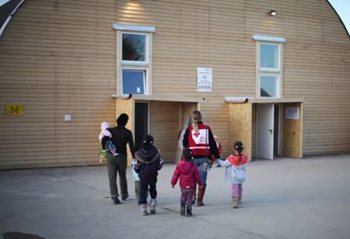 GBV is happening everywhere, at all times. Disasters and conflict amplify this, but it can happen in our neighbourhoods right here and now, to people and families that we may know. Jessica stressed that we have come a long way in addressing GBV, but that we need to continue to “mainstream” GBV prevention and concerns into our work. This is necessary to help break the culture of silence that clouds GBV. We don’t need to spend time and resources looking for proof before we act. We know that different risks of GBV are present in all communities. It is our responsibility as humanitarians to go into our work aware and prepared to prevent and respond to GBV.
Our use of language is important when discussing those who have experienced GBV. We have moved from labelling, them as victims, to survivors – which implies agency and empowerment. Jessica also called on us to remember individuality. Though GBV is traumatic, life changing, and often not a one-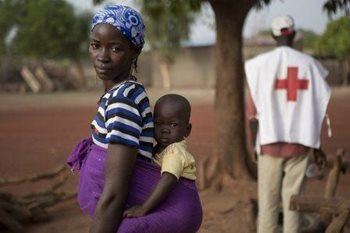 time occurrence, those who have experienced this are still individuals – children, parents, grandparents, community members and leaders, students, volunteers, workers, members of the choir or soccer team etc. Though fear may be their underlying emotion, the label of “victim/survivor” may not be how they see themselves and we should recognize this in our work. Everyone will be affected by these experiences in their own way. There is no standard path to recovery from GBV. Many factors will be at play, such as individual support networks, availability of formal services such as health and psychosocial support, and other personal factors.
I particularly appreciated Jessica’s humility and honesty, and her embodiment of the Red Cross principles. The Red Cross is a leader in dealing with GBV, in part because of how they tackle the challenge of this within the organization. Her words hit home with me, “… once you put on the Red Cross vest, you do not become immune to your own humanity.” We need to make sure our own actions do not contribute or cause any harm. The Canadian Red Cross publication, Ten Steps to Creating Safe Environments, recognizes this and is a great resource for learning more on how to prevent and address GBV in organizations and communities. To find out more on GBV in disasters visit the IFRC's: Preventing and Responding to Gender Based Violence in Disasters, and Unseen, unheard: Gender-based violence in disasters.
Original text has been edited for the web.
I recently had the chance to chat with Jessica Cadesky, Canadian Red Cross veteran, with a wealth of humanitarian experience related to gender based violence (GBV). She passed along some insightful “take home messages” on GBV.
Much like gender is not synonymous with women, GBV is not synonymous with violence against women, though there is overlap. The UN’s Interagency Standing Committee describes GBV as an umbrella term for any harmful act that is perpetrated against a person’s will, that is based on socially ascribed gender differences. GBV includes any harmful act that results in, or is likely to result in, physical, sexual or psychological harm or suffering to any person on the basis of their (perceived) gender identity or expression. GBV includes sexual, psychological and physical abuse, rape, early and forced marriage, domestic violence, honour killings and trafficking. This stems from systematic gender inequality and abuse of power, which exists in every society in the world. It is the foundation of most violence committed against females. The majority of GBV is committed against women, but men may also experience GBV, in both emergency and non-emergency settings.In Jessica’s words, “… no one is immune to GBV, even in peaceful communities.” GBV is a humanitarian crisis – for people of all sexes, ages, races, ethnicities, religions, classes, sexual orientations and abilities. Due in part to stigma and shame, this is difficult to research and measure. UN Women estimates that worldwide over 35% of women have experienced GBV at the hand of a non-partner, and over 70% by an intimate partner. At least 200 million women alive today have been subjected to female genital mutilation, and adult women account for almost half of all human trafficking victims. Disasters often increase issues of GBV, because of displacement and impoverishment. Due to their subordinate status and vulnerability, GBV has a greater impact on the lives of women and girls, impairing their health, dignity, security and autonomy.
Our use of language is important when discussing those who have experienced GBV. We have moved from labelling, them as victims, to survivors – which implies agency and empowerment. Jessica also called on us to remember individuality. Though GBV is traumatic, life changing, and often not a one-
I particularly appreciated Jessica’s humility and honesty, and her embodiment of the Red Cross principles. The Red Cross is a leader in dealing with GBV, in part because of how they tackle the challenge of this within the organization. Her words hit home with me, “… once you put on the Red Cross vest, you do not become immune to your own humanity.” We need to make sure our own actions do not contribute or cause any harm. The Canadian Red Cross publication, Ten Steps to Creating Safe Environments, recognizes this and is a great resource for learning more on how to prevent and address GBV in organizations and communities. To find out more on GBV in disasters visit the IFRC's: Preventing and Responding to Gender Based Violence in Disasters, and Unseen, unheard: Gender-based violence in disasters.
Original text has been edited for the web.