

2025 Manitoba Wildfires
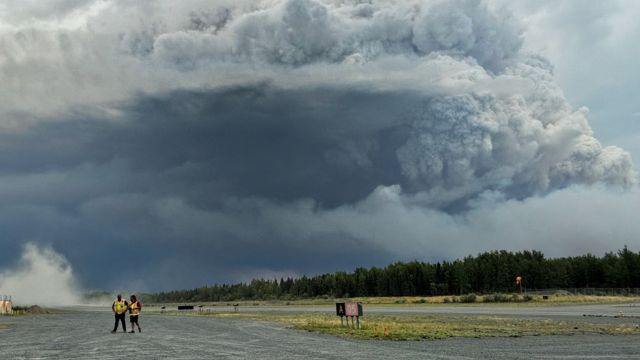 Photo: Chris Kepron / Canadian Red Cross
Throughout the summer of 2025, multiple communities in Manitoba were evacuated because of wildfires.
We continue to work closely with various levels of government and community partners to support those impacted by the wildfires. We are supporting individuals, families, and communities with their recovery.
Latest Reports:
2025 Manitoba Wildfires Appeal Update, as of June 30, 2026
Available recovery support
Financial assistance for early recovery
Thanks to donations to the 2025 Manitoba Wildfires Appeal and matching funds provided by the Province of Manitoba, we distributed one-time financial assistance for early recovery to households that received emergency financial assistance while they were evacuated due to the wildfires. This financial assistance program is now closed.
Support to small businesses
This program provides financial assistance to eligible small businesses that were directly impacted by the wildfires.
Visit our program page for more information and find out how to apply.
Grants for fire equipment and training
The Canadian Red Cross is providing one-time grants to eligible fire departments in communities that responded to, or were impacted by the wildfires. These grants will help address gaps in training and minor equipment needs identified as a result of the wildfire response. This program is no longer accepting applications. For more info about the program, visit our wildfires grants page.
Grants for recovery and resilience
Community organizations play an important role in their communities, especially after a disaster. Our Recovery and Resilience Grant helps support impacted communities recover from the wildfires.
Funding can be used to:
- Foster community well-being and connection through events and other initiatives.
- Scale, adapt and develop initiatives and services to meet community recovery and resilience needs.
- Develop community plans, tools, knowledge and resources to contribute to, and strengthen recovery efforts.
These grants are available to communities that were evacuated due to the 2025 wildfires. For more information please email CRCgrants@redcross.ca.
Helpful resources
The resources below may help as you return home after a wildfire.
- Canadian Red Cross Guide to Wildfire Recovery: Step-by-step information on what to do when you return home after wildfires
- Home Inventory Checklist: A checklist to help document damage to your home. Insurance providers use a similar form to assess the cost to repair or replace lost or damaged items.
- Rebuilding Your Home: A guide to help you plan and manage the repair or rebuild of your home.
- Top 10 Tips for Working with Contractors: Tips to help you ask the right questions and protect your interests while working with contractors.
Emergencies affect our well-being and mental health. They can disrupt our routines and our access to social support. Emergencies happen with little warning, and recovery can seem overwhelming.
The guides below can help you and your loved ones navigate this difficult time.
- Guide to Disaster Recovery, Caregivers and Parents: Information on stress symptoms in children, coping mechanisms, and tips for caregivers and parents
- Coping with Crisis: A guide on what to look for and expect during times of increased stress, and information on how to cope
- Guidebook for Wellbeing in Recovery: Information, practical tips, and worksheets on how to support yourself and others after a disaster
- Preparing for and Coping with the Effects of a Disaster or Emergency: Information on how to prepare for and take care of yourself and others when facing a disaster or emergency
During a crisis, you may feel overwhelmed or find it difficult to get through the day. Many people experience this. Help is available. If you are feeling overwhelmed, contact your local health facility or a local crisis support line.
For immediate assistance anywhere in Canada, call the Suicide Crisis Helpline at 9-8-8.
- Canadian Mental Health Association: Links to support and resources in your area.
- First Nations and Inuit Hope for Wellness Help Line: 1-855-242-3310.
- Kids Help Phone: 24-hour bilingual and anonymous phone counselling, online counselling, and referral service for children and youth
- Bell Let's Talk: A list of organizations with helpful resources.
Canadian Red Cross response summary
As part of its emergency support to people evacuated due to the wildfires in Manitoba, the Canadian Red Cross:
- Registered households evacuated due to the wildfires in Manitoba and supported people with emergency accommodations, food, personal services, well-being supports and supplies, health referrals and transport to medical appointments.
- Distributed financial assistance to support those who had to evacuate due to the wildfires.
- Coordinated the scheduling of flights and buses and engaged with other partners to secure modes of transportation for the arrival of people being evacuated and for those now returning home, where possible.
- Provided emergency supplies such as cots, blankets, and generators for shelter sites in First Nation and non-First Nation communities in Manitoba to support evacuated communities, as requested.
- Provided urgent supplies for communities that remain in place, such as food, air purifiers and other requested equipment.
FRAUD ALERT: Unfortunately, there are some people who may try to take advantage of those impacted by a disaster through fraudulent tactics. The Canadian Red Cross communicates only via email, phone, or in person and would never send a link through a text message for a person to click on to receive funds. We will never ask for your social insurance number, bank account information, or credit card number during your registration or to receive assistance. The Canadian Red Cross encourages people to stay informed from credible sources, such as the Government of Canada’s website for fraud prevention tips. If you suspect you have been a victim of fraudulent activity, please contact your local police authority.