

By: Leanna Parekh and Joey Krueger, Canadian Red Cross
When Hurricane Melissa approached the Caribbean in October 2025, communities in Jamaica prepared themselves for what could become a catastrophic storm.
People boarded their windows.
Checked their roofs.
Watched the sky.
In one home along the coast, Theona, a Jamaica Red Cross volunteer, stood in front of her freezer.
She didn’t know the severity of the incoming storm, its wrath or its effects. But she did know that the food in her freezer would spoil.
Pot after pot. Meal after meal.
Not for herself, but for the families around her.
Before the incoming storm had a name, it was already an unwanted guest. When it was named Melissa, Theona “knew she meant business.”
This is the part of emergency response most people never see: the quiet leadership that begins before the storm arrives.
When Hurricane Melissa made landfall, the rain intensified quickly.
“The water reached me here,” Theona told us later, lifting her hand above her waist.
Phones began ringing, people came knocking.
“Theona, we’re hungry… what are we going to do?”
Even as her own home was damaged, Theona pushed through floodwater to reach the people who needed her most — including a single mother of five whose home had been completely destroyed.
“You don’t know what’s at the bottom of the water,” she said. “But you still have to go.”
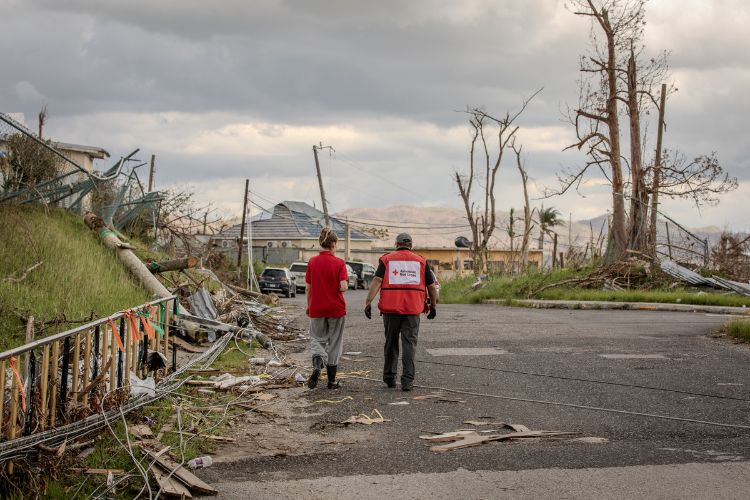
Photo: Damien Naylor / IFRC
For her community, Theona isn’t just a Red Cross volunteer.
She is a mother.
A neighbour.
The person people trust when things feel uncertain.
And she showed up,
When Theona looked out at the debris scattered across her community the morning after the storm, she took a breath and said something we heard from so many people who were impacted:
“Melissa hit everybody. Rich or poor — it didn’t matter. All of us were in the same boat.”
What happened next — neighbours helping neighbours, local volunteers stepping forward, global support arriving shoulder to shoulder — continues to support communities in Jamaica as they move toward recovery.
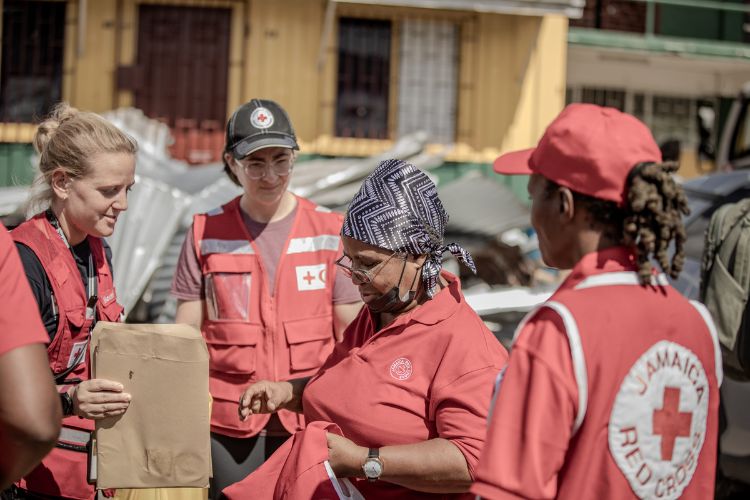
Photo: Damien Naylor / IFRC
When international Red Cross teams arrived to support the Jamaica Red Cross response, they found communities already helping one another rebuild.
In a health clinic where part of the roof had been torn away, staff told us how difficult those first days were — caring for patients while dealing with damage in their own homes.
“We had our own mess at home,” one medical staff said. “Coming to work that day was not easy.”
But when they arrived at the clinic, they saw Red Cross teams already there — shovels and buckets in hand, clearing debris.
“Seeing them working motivated us to work,” said another staff member. “It pushed us to start cleaning up.”
Together — volunteers, health workers, neighbours — they got the clinic running again in just six days.
Tarps still covered the roof. Light still poured in from broken beams overhead.
But health care services had resumed.
And the community was no longer waiting. They were moving forward.
“You could see that it was genuine.”
Throughout our time in Jamaica, the message we heard again and again was simple and powerful.
Gratitude for neighbours.
Gratitude for life.
Gratitude that support arrived with respect, humility and partnership.
Nurse Vancylee, who supported patients through the storm’s aftermath, told us she was struck by the compassion she witnessed.
“I appreciated the love, the support, and the care and compassion,” she said. “You could see that it was genuine.”
And underlying that gratitude was another truth:
International teams bring tools, resources, and technical expertise to support alongside local teams.
And donors help make it all possible.
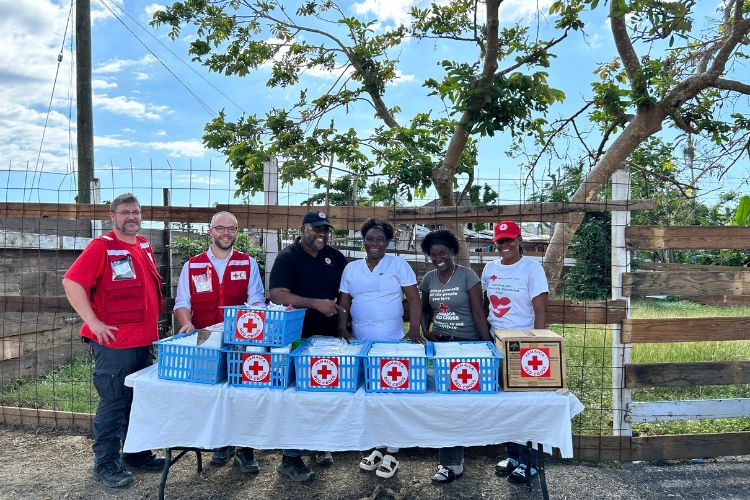
Photo: Thaïs Martín Navas / Canadian Red Cross
Rooted in humanity and focused on what communities need most.
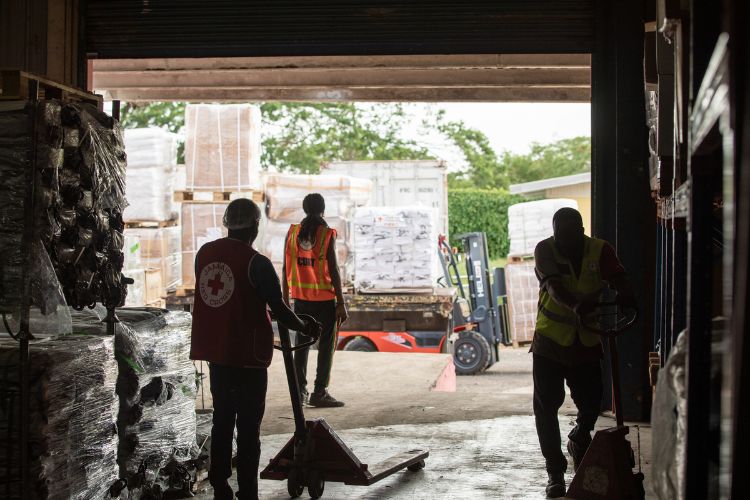
Photo: Damien Naylor / IFRC
It’s wading through rising waters to help someone in need.
It’s showing up with shovels and buckets, wearing a red vest and a genuine smile.
It’s found in weathered hands of caring humanitarians, choosing to rebuild together.
And it’s sustained by the generosity of people who believe in showing up for one another — even from oceans away.
When Hurricane Melissa approached the Caribbean in October 2025, communities in Jamaica prepared themselves for what could become a catastrophic storm.
People boarded their windows.
Checked their roofs.
Watched the sky.
In one home along the coast, Theona, a Jamaica Red Cross volunteer, stood in front of her freezer.
She didn’t know the severity of the incoming storm, its wrath or its effects. But she did know that the food in her freezer would spoil.
So, she started cooking.
Pot after pot. Meal after meal.Not for herself, but for the families around her.
Before the incoming storm had a name, it was already an unwanted guest. When it was named Melissa, Theona “knew she meant business.”
This is the part of emergency response most people never see: the quiet leadership that begins before the storm arrives.
By morning, everything changed.
When Hurricane Melissa made landfall, the rain intensified quickly.“The water reached me here,” Theona told us later, lifting her hand above her waist.
Phones began ringing, people came knocking.
“Theona, we’re hungry… what are we going to do?”
Even as her own home was damaged, Theona pushed through floodwater to reach the people who needed her most — including a single mother of five whose home had been completely destroyed.
“You don’t know what’s at the bottom of the water,” she said. “But you still have to go.”
Photo: Damien Naylor / IFRC
For her community, Theona isn’t just a Red Cross volunteer.
She is a mother.
A neighbour.
The person people trust when things feel uncertain.
And she showed up,
“It didn’t matter who you were. All of us were in the same boat.”
When Theona looked out at the debris scattered across her community the morning after the storm, she took a breath and said something we heard from so many people who were impacted:“Melissa hit everybody. Rich or poor — it didn’t matter. All of us were in the same boat.”
What happened next — neighbours helping neighbours, local volunteers stepping forward, global support arriving shoulder to shoulder — continues to support communities in Jamaica as they move toward recovery.
Photo: Damien Naylor / IFRC
Fierce resilience is picking up the pieces, together.
When international Red Cross teams arrived to support the Jamaica Red Cross response, they found communities already helping one another rebuild.In a health clinic where part of the roof had been torn away, staff told us how difficult those first days were — caring for patients while dealing with damage in their own homes.
“We had our own mess at home,” one medical staff said. “Coming to work that day was not easy.”
But when they arrived at the clinic, they saw Red Cross teams already there — shovels and buckets in hand, clearing debris.
“Seeing them working motivated us to work,” said another staff member. “It pushed us to start cleaning up.”
Together — volunteers, health workers, neighbours — they got the clinic running again in just six days.
Tarps still covered the roof. Light still poured in from broken beams overhead.
But health care services had resumed.
And the community was no longer waiting. They were moving forward.
“You could see that it was genuine.”
Throughout our time in Jamaica, the message we heard again and again was simple and powerful.
Gratitude.
Gratitude for neighbours.Gratitude for life.
Gratitude that support arrived with respect, humility and partnership.
Nurse Vancylee, who supported patients through the storm’s aftermath, told us she was struck by the compassion she witnessed.
“I appreciated the love, the support, and the care and compassion,” she said. “You could see that it was genuine.”
And underlying that gratitude was another truth:
Recovery works best when it is led locally and supported globally
Local volunteers like Theona know their communities.International teams bring tools, resources, and technical expertise to support alongside local teams.
And donors help make it all possible.
Photo: Thaïs Martín Navas / Canadian Red Cross
The power of preparedness
Before Hurricane Melissa reached Jamaica, donors in Canada were already answering the call for support.Meanwhile in Jamaica, Jamaica Red Cross teams helped ensure that:
- volunteers like Theona were trained
- emergency supplies were ready to deploy, including stocks from Government of Canada
- teams could move quickly in the first critical hours
- families knew they were not alone
Rooted in humanity and focused on what communities need most.
Photo: Damien Naylor / IFRC
Resilience, in moments like this, is not abstract
It’s sharing homecooked meals, even when it’s the last of your stash.It’s wading through rising waters to help someone in need.
It’s showing up with shovels and buckets, wearing a red vest and a genuine smile.
It’s found in weathered hands of caring humanitarians, choosing to rebuild together.
And it’s sustained by the generosity of people who believe in showing up for one another — even from oceans away.