

Americas
Red Cross humanitarian aid in Latin America and the Caribbean
The Canadian Red Cross has worked closely with our neighbours in the Americas region since 1976, fostering a close working relationship with our National Society partners within Latin America and the Caribbean.
The region, which is in dire need of humanitarian aid, ranks second among the most disaster-prone regions in the world. Significant income inequality, widespread violence, and the world’s largest migration crisis exacerbate this situation. With climate change intensifying, poverty is expected to worsen and inequalities to widen, making the region even more vulnerable to these risks.
Addressing these challenges requires collaboration within the Red Cross Red Crescent Movement. That is why we have strengthened our ties with local National Societies by offering our expertise and resources to support them. We remain committed to providing gender-sensitive humanitarian services tailored to the disaster risk management cycle that promote resilience and enable communities facing complex crises to receive timely assistance. Learn more about our work across the region below.
Donate to the International Programs FundHow the Canadian Red Cross supports local Red Cross Societies in the Americas
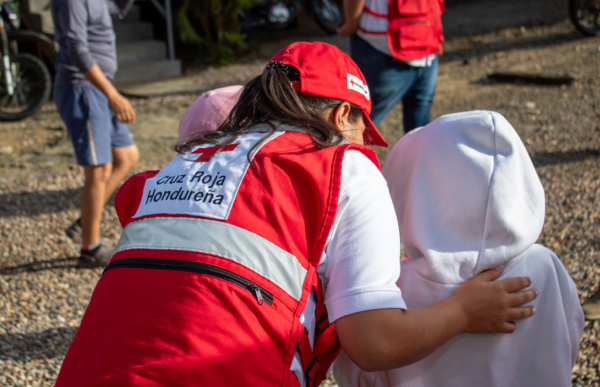
Photo: Honduran Red Cross
According to a 2024 study conducted by the International Federation of Red Cross and Red Crescent Societies (IFRC), as many as seven in 10 people on the move in the Americas need comprehensive healthcare support.
To meet these evolving needs, the Canadian Red Cross is supporting the Humanitarian Assistance for People on the Move in Central America project, a two-year project funded by the Government of Canada.
This initiative is providing humanitarian assistance to people on the move in Central America. Funding is supporting Red Cross National Societies in El Salvador, Costa Rica, Honduras, and Panama so they can better respond to the healthcare needs of people on the move and provide sexual- and gender-based violence prevention and support services.
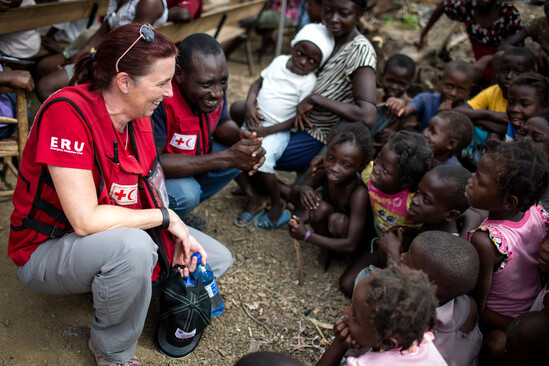
Photo: Marko Kokic / Canadian Red Cross
The Canadian Red Cross has been working in Haiti for more than 30 years. Following the 2010 earthquake, we partnered with the Haitian Red Cross to provide critical assistance to communities and support their emergency response capacity through several projects focusing on safe shelter, health, and violence prevention.
Learn more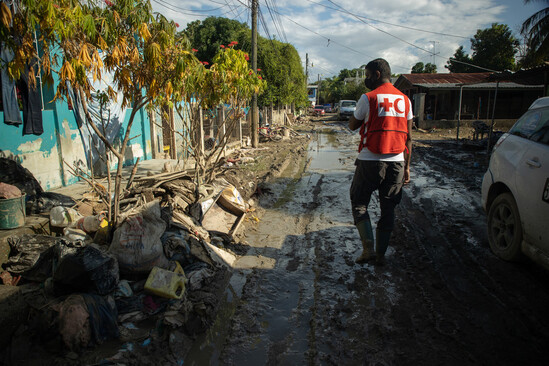
Photo: Luc Alary / Canadian Red Cross
Honduras experiences both conflict and extreme climate shifts, generating immense humanitarian needs. The Canadian Red Cross has been working in partnership with the Honduran Red Cross since 2000, following our response to Hurricane Mitch. The Honduran Red Cross has specialized teams in disaster and emergency response, and works closely with schools, government and other institutions to help meet humanitarian needs in the most remote areas of Honduras.
Learn more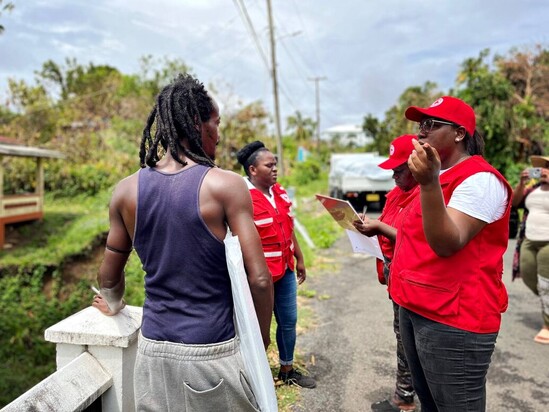
Photo: Susana Arroyo / Grenada Red Cross / IFRC
The Caribbean is vulnerable to several types of natural hazards, including hurricanes, storms, flooding, volcanic eruptions, and earthquakes. Climate change has made these events even more extreme, creating a considerable need for humanitarian aid.
Over the years, the Canadian Red Cross and the Government of Canada have committed significant resources to strengthening disaster resilience in the Caribbean. Caribbean countries can often be overwhelmed by large-scale emergencies, especially when volunteers themselves are directly affected by the crises they are helping to manage. Because of these factors, it is crucial for local National Red Cross Societies to have robust response systems in place.
With support from the Government of Canada, the Canadian Red Cross has previously supported two projects in the Caribbean that worked to enhance the disaster response capacities of local Red Cross teams, build resilience and improve regional cooperation and collaboration. This collaboration between the Canadian Red Cross and National Societies in the Caribbean has helped develop sustainable local solutions and strengthen local ability to respond to crises.
Hurricane Beryl relief efforts: supporting communities impacted
In 2024, Hurricane Beryl made history as the earliest Atlantic hurricane of its strength ever recorded. This unprecedented storm devastated several countries across the southeastern Caribbean, including Grenada, Saint Vincent and the Grenadines, Jamaica, and Barbados.
With nearly 1.2 million people impacted, Red Cross teams throughout the Caribbean quickly took action to support communities. Local Red Cross teams distributed emergency supplies, identified urgent needs, and provided first aid, among other response activities.
With the support of the Government of Canada, the Canadian Red Cross provided funds and sent humanitarian workers to support the Hurricane Beryl response. Additionally, more than 5,000 Government of Canada relief supplies were sent to Jamaica, including shelter toolkits, kitchen sets, and blankets, in coordination with the IFRC.
How the Red Cross is supporting people impacted by Hurricane Melissa
Category-5 Hurricane Melissa made landfall in southwestern Jamaica on October 28, 2025, and is the third strongest hurricane ever recorded in the Atlantic Ocean. It later hit Cuba as a Category-3 hurricane before continuing across the Caribbean and impacting Dominican Republic, Haiti, the Bahamas and Bermuda.
Learn more about how the Canadian Red Cross is working with our Red Cross Red Crescent Movement partners to support people impacted by Hurricane Melissa in the Americas.
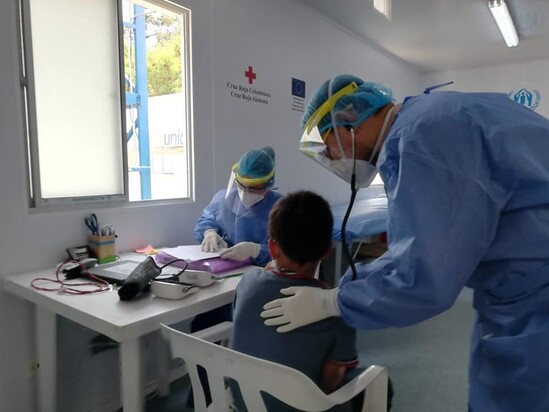
Photo: Colombian Red Cross
Colombia is known for its remarkable biodiversity and natural beauty, but it also hosts the longest-running internal conflict in the Americas region. More recently, Colombia has become a destination for the second largest population of displaced people globally, hosting three million Venezuelan migrants and seven million internally displaced people.
Colombia is also vulnerable to natural disasters like floods and landslides, which further amplifies the issues vulnerable communities are facing. At the same time, large numbers of internally displaced people, refugees, and marginalized populations face limited access to basic services such as healthcare, housing, and education. A strained health-care system dealing with ongoing shortages in medications and supplies further compounds the issues. This creates an immense need for humanitarian assistance.
The Colombian Red Cross Society is the country’s leading humanitarian organization. Their dedicated staff and 30,000 volunteers deliver healthcare, mental health support, and protection initiatives across Colombia. They also play an important role in the national disaster risk management system and work closely with all government entities and international partners.
The Canadian Red Cross, with support from the Government of Canada, has provided both financial and technical resources to support the Colombian Red Cross as they respond to multiple crises. Most recently this included supporting the Colombian Red Cross provide essential health services to migrants.