

Make an Emergency Plan
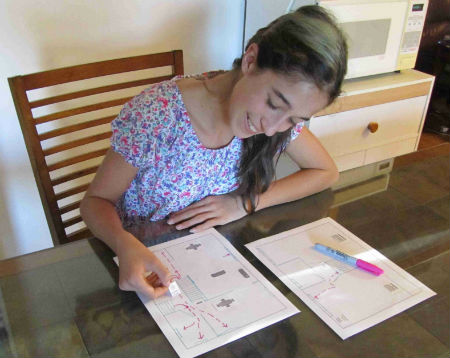
- Talk about the types of emergencies that could affect your area.
- Agree on safe meeting places: one nearby and one outside your neighbourhood.
- Identify places to stay in an emergency.
- Identify the best ways to evacuate your home in case of an emergency such as a home fire.
- Gather important information for all household members (identification, medical information, and details for service providers, insurance and utilities).
- Choose an out-of-town contact that everyone can reach if local phone lines are down.
- Ensure every household member knows this person’s phone number and email address.
- Share the plan so everyone knows who to contact and when.
- Consider household members with specific needs, as well as children and pets. For example, make sure you can evacuate safely and quickly with your pets and that any place you plan to stay during an emergency accepts animals. If someone in your household has mobility, health, or disability-related needs, think about how this may affect your plan, such as allowing extra time to move safely or ensuring necessary supports are available.
- Plan for locations outside the home, such as schools, workplaces, or community centres where household members may be present.
- Practice your household plan regularly, including evacuation routes and meeting points, so everyone feels confident.
- Review and update the plan if household members, routines or local hazards change.
Even simple planning steps, such as knowing where to meet or who to contact, can make a significant difference during an emergency.
Disasters and emergencies can impact people both physically and emotionally. It is helpful to prepare for the possible emotional and social impacts of disasters and emergencies by understanding stress and resilience.
Household emergency plan (available in English and 11 additional languages)
Download a Home Plan TemplateAlso available in:
- French
- Arabic
- Chinese simplified
- Chinese traditional
- Farsi
- Portuguese
- Punjabi
- Russian
- Spanish
- Tagalog
- Urdu
Emergency plan for youth (ages13 to 17)
A simple one-page emergency plan and kit guide to help teenagers prepare for emergencies.
Emergency contact cards
Emergency contact cards provide essential phone numbers you may not remember so you can reach family members or an out-of-town contact if cell service fails or the power is out. They can also provide quick, essential information that helps first responders or bystanders contact your loved ones and get you help faster during an emergency.