

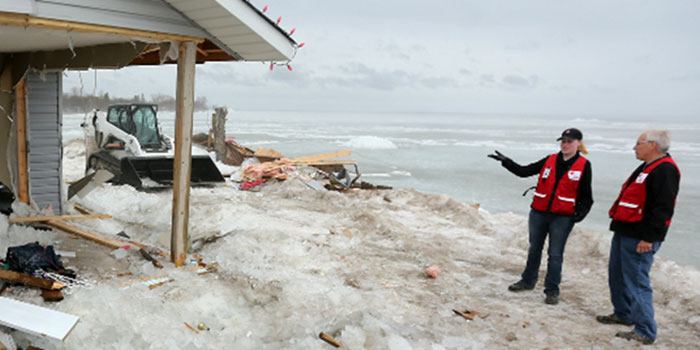
Step 1: Know the risks
Understand the types of emergencies that could impact your community. Knowing potential hazards, from severe weather events to house fires, helps you plan effectively and keep your household safe.
Read moreAre you and your family ready to face an emergency such as a flood, wildfire, earthquake or power outage? Do you have an emergency plan and an emergency kit to be self-sufficient for at least three days following a disaster? Below are the 4 steps to be better prepared.
Understand the types of emergencies that could impact your community. Knowing potential hazards, from severe weather events to house fires, helps you plan effectively and keep your household safe.
Read more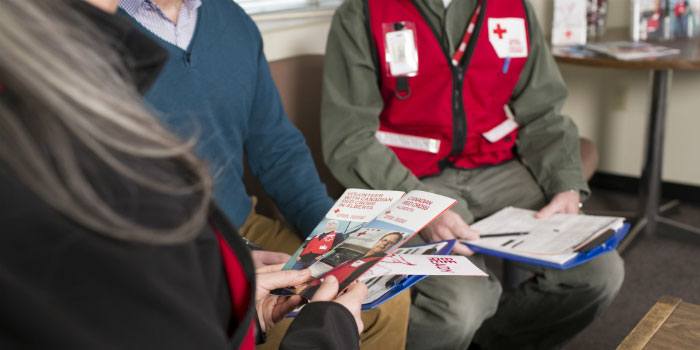
Create an emergency plan for your household. Identify communication methods, meeting places, evacuation routes, and specific needs or considerations to ensure everyone knows what to do and where to go during an emergency.
Read more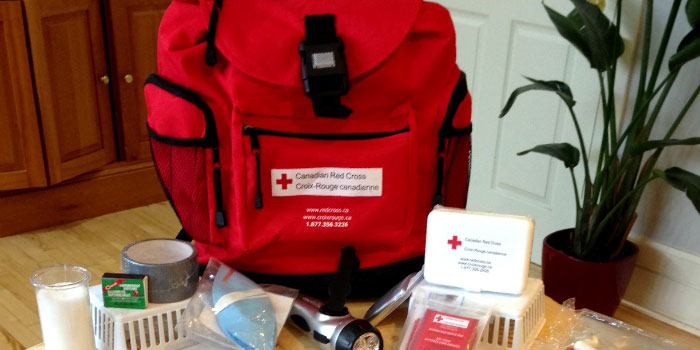
Assemble an emergency kit with essential items to meet your household's needs for at least three days. In remote and Northern communities, households must prepare to meet their basic needs for at least 7–10 days. Include food, water, medications, important documents, and necessary supplies to stay prepared for any situation.
Read more Photo: John Falcon / Canadian Red Cross
Build and strengthen connections with neighbours and the wider community to ensure shared support when needed. Participating in community events, joining local groups, and establishing a buddy system with regular check‑ins are a few effective and meaningful ways to build a reliable support network that can significantly reduce your risk during an emergency.
Learn morePrepare your household for emergencies with our Be Ready workshops. These interactive one-hour sessions guide you through the four essential steps of emergency preparedness: Know the risks, Make a plan, Build a kit and Build a network. Each step is designed to help you take practical actions to stay safe, support your household and strengthen connections in your neighbourhood. Workshops are interactive, practical and designed to help participants take simple steps toward emergency preparedness.
For individuals: Individuals can participate in a virtual Be Ready webinar to learn the four steps of emergency preparedness.
Register today for an upcoming session.
For community groups and organizations: Organizations and community groups can request a Be Ready workshop for their staff, volunteers or community members. Learn more about hosting a session and the workshop overview.
Knowing what to expect, how to prepare, and where to find the information you need can make you more resilient in a disaster or emergency.
Learn more