

This article explains what panic attacks are, the signs to watch for, and straightforward ways to help someone in distress. By being aware and showing empathy, we can create a supportive space that helps people deal with their feelings and work toward getting better in the long run.
Whether you're a friend, family member, or just a bystander, knowing how to support someone during a panic attack is a valuable skill that can really change their experience for the better.
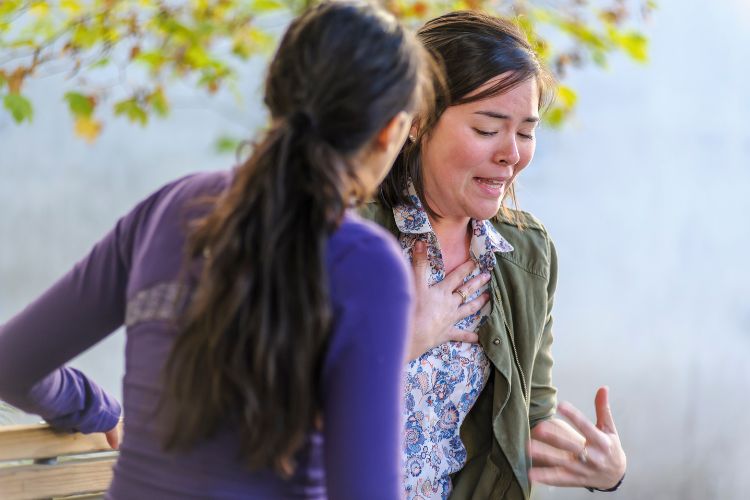
Photo: Canadian Red Cross
What is a panic attack?
According to the Canadian Mental Health Association (CMHA), a panic attack is a feeling of intense fear or terror that lasting anywhere from a few minutes to about an hour. Some panic attacks can last even longer, as noted by the U.S. National Institutes of Health (NIH).While panic attacks are usually not life-threatening, they can be frightening and distressing. Knowing what a panic attack feels like and how to respond calmly can help the person feel safer and regain control. In this article, we’ll look at what to do if someone is experiencing a panic attack and how simple actions can help support someone in distress.
Common signs of a panic attack
When someone is having a panic attack, they might show a mix of physical and emotional signs. To help, you can use the Look, Listen, Link, Live model.Start by LOOKING for common signs of a panic attack. According to the CMHA, some usual signs of a panic attack include:
- Shortness of breath
- Rapid breathing or hyperventilation
- Sweating, shaking, or trembling
Ask the person what they are feeling. The symptoms of a panic attack could include:
- Racing heartbeat
- Chest pain
- Dizziness or feeling faint
- Nausea
- Feeling overwhelmed or extremely anxious
- A sense of losing control or fear that something bad will happen
Recognizing these signs and symptoms of a panic attack can help you respond calmly and support the person in distress.
What to do if someone is having a panic attack
To learn how to help someone having a panic attack, use the second L in the Look, Listen, Link, Live model.
LISTEN without judgment and ask simple questions such as:
- How can I help you right now?
- Would you like to sit somewhere quieter?
Acknowledge their feelings even if you do not fully understand what they are experiencing. How to stop panic attacks requires a range of techniques, as each person reacts differently. Follow these Psychological First Aid steps to help a person having a panic attack:
- Keep calm: Your own calm will help them feel more secure.
- Move to a safe spot: If possible, move the person to a quiet area away from crowds, noise, or triggers.
- Sit down: Encourage them to sit or lie down to feel grounded.
- Regulate breathing: Model slow, deep breathing (e.g., inhale for 4 seconds, hold for 4, exhale for 4).
- Reassure without judgment: Say things like, "You are safe," "This will pass," and "I am here".
- Avoid common mistakes: Do not tell them to "just get over it," leave them alone, or shake them.
- Ask before touching: Always ask for permission before touching them, as physical contact can sometimes escalate panic.
When should you call emergency services?
Most panic attacks pass within several minutes. However, it may be appropriate to call 911 or your local emergency number if:
- The person loses consciousness.
- Symptoms resemble heart attacks.
- The panic attack has not improved.
- The person may harm themselves or others.
When you're unsure, reaching out for medical assistance is always a wise and caring choice. After the attack, it's helpful to encourage the individual to connect with a healthcare professional for support and long-term management. Your empathy and concern can make a significant difference in their recovery.
What to do after a panic attack
After the attack, use the third and fourth L in the Look, Listen, Link, Live model to help the person access support and recover.
LINK: Help the person access support
Help the person connect with support systems that can truly make a difference. Their journey doesn't have to be faced alone; empower them by guiding them to resources across five essential levels of support.
- Self: Actions they can do individually, like go for a walk, practice mindfulness, or rest.
- Relationships: Talk with people they have a healthy relationship with, for example, a friend, family, mentor, colleagues and/or Elders.
- Community: Engage with their workplace, volunteer groups, neighbourhood, or local clubs.
- Culture & Society: Draw strength from traditions, faith, or social services.
- Protective Services & Professional Care: Crisis or support lines, mental health professionals
Remain present and provide reassurance. Let the person know that panic attacks can pass and that you are there to support them. Some strategies you can suggest are:
- Taking breaks.
- Developing realistic expectations.
- Maintaining healthy habits (eating, sleeping, exercising).
- Practicing stress management techniques (breathing or mindfulness).
- Maintaining healthy relationships.
- Asking for help if you need it.
Learn more about supporting and caring for others
Knowing how to support someone experiencing emotional distress is an important life skill. The Canadian Red Cross Psychological First Aid course gives you the tools to recognize signs of stress, trauma, and grief in yourself and others, and coping strategies to respond effectively to stressful situations.Each year, the Canadian Red Cross trains approximately 960,000 Canadians in first aid and safety programs, helping individuals build the confidence to respond to emergencies.
You can also learn more about mental health awareness and emotional well-being during Mental Health Awareness Week, which highlights the importance of supporting mental health in our communities.